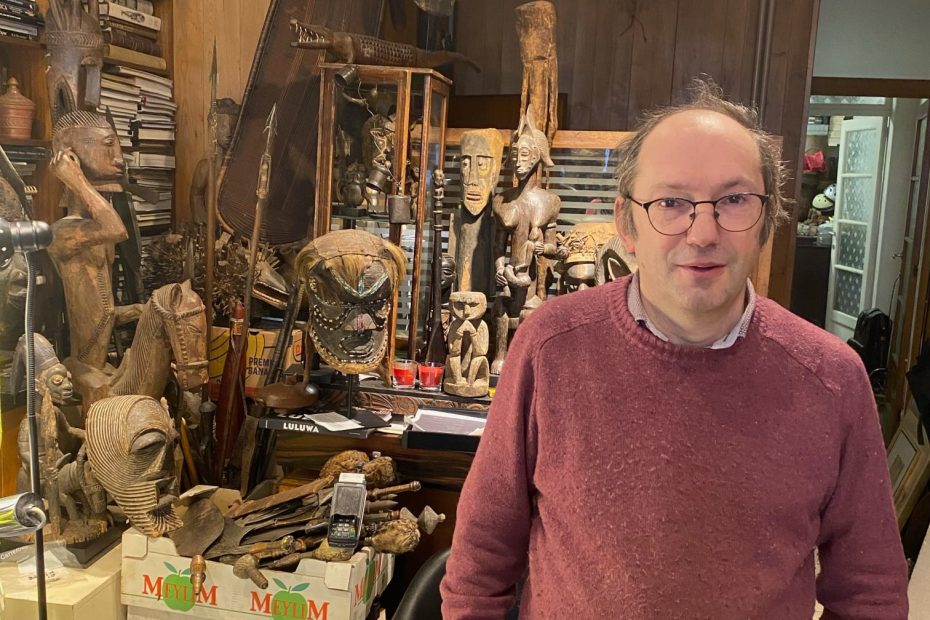
Traditional African art is one of the most powerful artistic traditions in the world. Across hundreds of cultures and thousands of communities, artists created masks, sculptures, and ritual objects that served social, spiritual, and political purposes.
Unlike modern decorative art, authentic African art was created to function inside living traditions. Masks danced in ceremonies, figures protected villages, and ritual objects mediated between the living and the ancestors.
For collectors today, these objects offer something rare:
a chance to hold a piece of cultural history shaped by belief, ritual, and time.
For more than 30 years, I have helped collectors discover authentic traditional African art through my gallery in Antwerp and through my website:
Browse the collection →
https://buyafricanantiques.com/shop/
African Masks: The Living Faces of Ritual
Among the most recognizable forms of African tribal art are masks.
But masks were never simply sculptures.
They were part of performances involving costume, dance, music, and community participation.
When worn during ceremonies, a mask allowed the dancer to embody:
-
ancestral spirits
-
mythological beings
-
protective forces
-
social characters within the community
Many of the most striking African masks combine stylized abstraction with deep symbolic meaning.
Example from the collection
Bena Biombo Chameleon Helmet Mask
https://buyafricanantiques.com/product/bena-biombo-mask/
This rare helmet mask from the Bena Biombo people of the Congo features distinctive chameleon-like eyes symbolizing transformation and adaptability. Masks like this were used during royal funerary ceremonies and masquerades that connected the living community with ancestral spirits. ‘read also the article about the Kuba tribe since they are not what you think.
Other masks currently available include:
-
Ibibio “Chanel” mask. This striking Ibibio mask originates from the Ekpo secret society of Nigeria, a powerful institution that maintained social order through fear and ancestral …
https://buyafricanantiques.com/product/ibibio-chanel-mask/ -
More masks
https://buyafricanantiques.com/product-category/africanart/african-mask/
Each mask reflects the unique artistic language of its culture.
African Sculptures and Figures
Across many African traditions, carved figures were used as spiritual intermediaries.
These sculptures could represent:
-
ancestors
-
protective spirits
-
fertility forces
-
ritual guardians
Rather than decorative statues, these figures were often kept in shrines, consulted by diviners, or used to protect families and villages.
Example: Lobi Ritual Sculpture
Double Head Dayir Lobi Figure – Burkina Faso
https://buyafricanantiques.com/product/double-head-dayir-lobi-figure-burkina-faso/
This impressive sculpture represents the ancestral couple of the Lobi clan and was traditionally placed in shrine spaces where it protected the community and embodied ancestral authority.
Another fascinating example of Lobi artistic tradition is this iron sculpture:
Lobi Iron Bird
https://buyafricanantiques.com/product/a-lobi-iron-bird/
Hand-hammered by a Lobi blacksmith, the bird represents the remarkable metalworking skills of West African artisans and reflects the symbolic role animals play in African cosmology.
Other sculptural objects currently available include:
Each object carries its own cultural narrative and history of use.
The Materials of African Tribal Art
African artists worked with a wide range of materials depending on regional traditions and available resources.
| Art form | Typical materials | Cultural role |
|---|---|---|
| Masks | Wood, pigments, raffia | Ritual dances and masquerades |
| Figures | Wood, iron, terracotta | Ancestors, protective spirits |
| Metal objects | Iron, bronze, brass | Prestige objects and ritual implements |
| Dolls and figures | Wood and beads | Fertility and spiritual symbolism |
These materials were rarely chosen for decoration alone.
They were selected for their symbolic meaning and ritual function.
How African Art Influenced Modern Art
When European artists encountered African masks and sculptures in the early twentieth century, the impact was profound.
Artists such as Picasso and Modigliani were inspired by the bold geometry, stylized faces, and expressive power of African sculpture. These encounters helped shape movements such as Cubism and modernism.
But what fascinated these artists was not merely style.
It was the realization that in African cultures art was inseparable from life, ritual, and belief.
Collecting Authentic African Art Today
Today, the biggest challenge for collectors is distinguishing authentic traditional objects from decorative reproductions.
Many pieces offered online were made for the tourist market and were never used in African communities.
Recognizing genuine objects requires experience:
-
knowledge of carving traditions
-
understanding of surface and patina
-
familiarity with ritual use and cultural context
After more than three decades working with African art, I still find that the most reliable guide is simply this:
having seen thousands of objects over many years.
That experience shapes the selection you see on my website.
Explore Authentic African Masks and Sculptures
If you would like to explore authentic African art currently available, you can browse the collection here:
View the shop →
https://buyafricanantiques.com/shop/
You will find:
-
traditional African masks
-
ancestral figures
-
ritual sculptures
-
rare tribal objects from across the continent
Each piece is carefully selected and described with its cultural context.
A Personal Invitation to Collectors
If you are looking for a particular type of African mask or figure, feel free to contact me.
After more than 30 years in this field, I may know where it is hiding.
Many collectors who visit the site are not simply buying an object —
they are building a relationship with a tradition.
And sometimes the right piece appears only when someone is looking with the right eye.
Happy collecting,
David Norden
BuyAfricanAntiques.com
Antwerp