Tag: yoruba art

  • How to Collect African Art with an Experienced Eye – David Norden
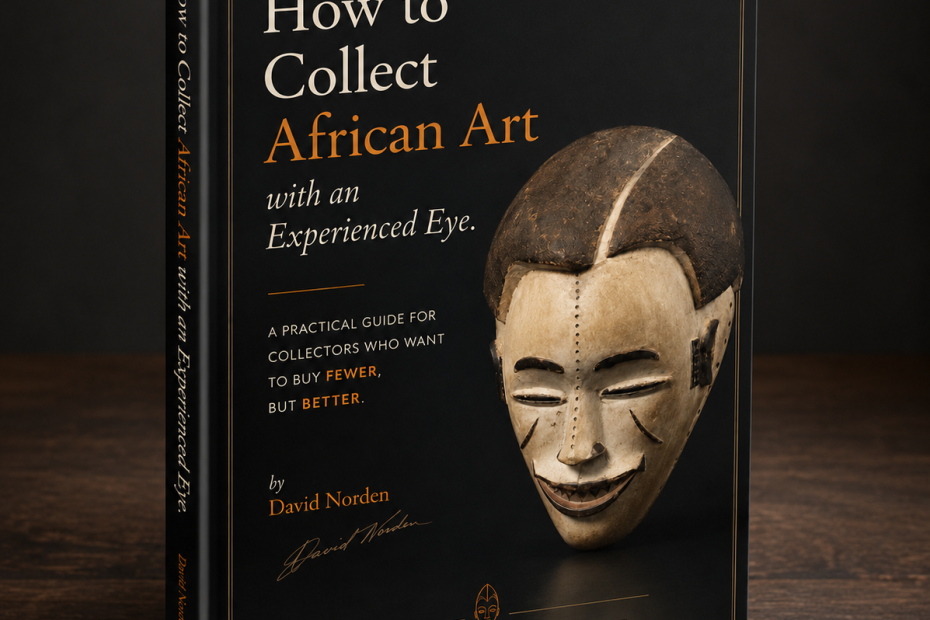
    How to Collect African Art with an Experienced Eye – David Norden

    Welcome To the African Art World.

    How to collect African Art with an experienced Eye

    Most people begin collecting African art by asking the wrong questions.

    They ask about the tribe, the age, the provenance, or the price. Those things certainly matter, but they are not where true connoisseurship begins.

    The first question should always be: Is this a good piece of sculpture?

    After more than thirty years of handling thousands of African objects, visiting museums across Europe, studying important collections, and making both good and bad buying decisions, I have learned that exceptional works reveal themselves in ways that photographs, labels, and certificates alone never can. Quality lives in proportion, balance, surface, craftsmanship, expression, and the subtle presence that only the finest objects possess.

    An experienced eye is not a gift. It is something that can be developed through careful observation, comparison, and patience.

    That is the purpose of this experienced eye book.

    Rather than presenting a catalogue of ethnic groups or historical facts, this guide focuses on how to see. You will learn practical methods for judging craftsmanship, recognizing authentic age and patina, understanding what separates an ordinary object from an exceptional one, and avoiding many of the mistakes that beginning collectors often make.

    One of the most valuable ways to train your eye is by studying the very best examples. Throughout this guide we therefore examine masterpieces from major museum collections, including remarkable Fang, Baule, Djennenké, Kota, Bangwa, Kongo, Songye, and Yoruba sculptures. These objects are not included simply because they are famous, but because they demonstrate the qualities that collectors should learn to recognize wherever they encounter African art.

    Whether you are considering your very first mask or building a serious collection, the principles remain the same. The goal is not to buy more objects, but to buy better ones—pieces that continue to reward careful study for years to come.

    This is an Early Edition of How to Collect African Art with an Experienced Eye. At present it contains 45 illustrated pages, but it is intended to grow into a much more comprehensive guide. New chapters, museum case studies, photographs, and collecting insights will be added regularly as the project develops. As the content expands, the retail price will gradually increase, while everyone who already owns a copy will receive all future updates free of charge.

    My hope is that this book becomes more than an illustrated collector’s guide. I hope it helps you cultivate the most valuable tool any collector can possess: an experienced eye.

    David Norden

    African Art Dealer, Antwerp

    Since 1992

    How to collect African Art with an experienced Eye

    Share and Enjoy !

    Shares
  • The Yoruba Horseman: A Legend of the Rider

    The Yoruba Horseman: A Legend of the Rider

    A short tale inspired by the Yoruba tradition of the horse rider — a symbol of leadership, prestige and authority in West African art.

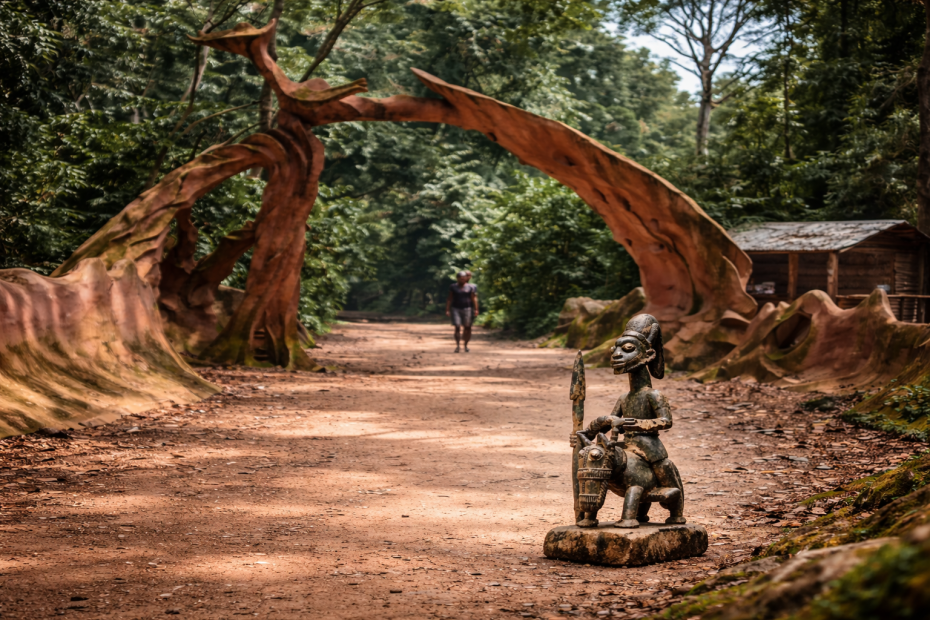
    Photo collage: Yoruba horseman in the Osun Sacred Grove, Arch of the Flying Tortoise.
    Landscape photograph by Adolphus Opara. Horseman sculpture photographed by David Norden.

    A long time ago, when the kingdoms of the Yoruba were young, the people said that a great rider sometimes appeared at the edge of the town.

    No one knew exactly where he came from.

    At dawn he would emerge from the red earth roads, seated proudly on his horse, holding a lance that caught the first light of the rising sun. Children would run to the paths to see him pass, while the elders watched in silence.

    Some said he was a warrior returning from distant lands. Others whispered that he was a messenger of the gods.

    In those days horses were rare in the forest regions of southern Nigeria. They came from the northern savannas and were precious animals, associated with kings, chiefs and powerful warriors. To ride a horse was to show authority and prestige.

    Over time the image of the mounted rider became one of the most powerful symbols in Yoruba art. Sculptors carved figures known as elesin—horsemen who embodied leadership, courage and the ability to command.

    The rider was often larger than the horse, because Yoruba artists did not aim for realism. Importance was expressed through proportion. The horse carried the rider, but the rider carried the meaning.

    Some of these figures were placed in shrines or royal spaces. Others commemorated great leaders or ancestors whose presence was believed to protect the community.

    Scholars have long noted the importance of this imagery in Yoruba culture. A beautiful example in ivory from the Dallas Museum of Art illustrates how deeply rooted the motif of the mounted rider is in the region:


    Dallas Museum of Art – Yoruba Horse and Rider

    Even earlier, archaeological discoveries such as a tenth-century bronze object from Igbo-Ukwu showing a horse and rider remind us that equestrian symbolism has deep historical roots in southern Nigeria. You can see this remarkable object, once exhibited in the Smithsonian exhibition Caravans of Gold, here:


    Igbo-Ukwu Horse and Rider – Caravans of Gold

    And perhaps that is why these sculptures still feel so alive today.

    They do not simply show a man on a horse.

    They show authority, presence, and the memory of a rider who once appeared on the road at dawn.

    Sometimes such Yoruba riders exist only in stories. And sometimes one quietly survives in wood.

    One such rider eventually found his way to my collection.

    Yoruba Horseman (Elesin), Ekiti Master Tradition

    Share and Enjoy !

    Shares