And there are those who live with objects for a long time before letting them go.
Not long ago, an anthropologist came to see a Dogon figure.
He didn’t come alone.
He came with his wife, and they spent time with the piece — quietly, without deciding.
Nothing happened that day.
Which, in hindsight, was already meaningful.
Two weeks later, he returned.
This time, not to negotiate.
But with a different kind of proposal.
He was ready to let go of pieces he had lived with for years, in order to take one with him.
An anthropologist looks differently.
Not in terms of categories or completeness.
But in terms of use.
How an object has been handled. Returned to. Integrated into a life.
And over time, that changes what is kept.
The group that came from this exchange was not assembled.
It had already taken shape, slowly, over years.
African, but not only African.
Objects that lived alongside Oceanic works, Pre-Columbian pieces, and traces of archaeology.
Not separated, but understood in relation.
That kind of collecting leaves marks.
Not always visible at first.
But present in the surface. In the choices. In what was not discarded.
Some pieces reveal themselves immediately.
Others take longer.
Those are often the ones that remain.
Looking back, the exchange was simple.
Not a transaction.
But a moment where two ways of seeing aligned — just long enough for objects to change hands.
Below are some of the pieces that came from that moment. (click on the images to enlarge)
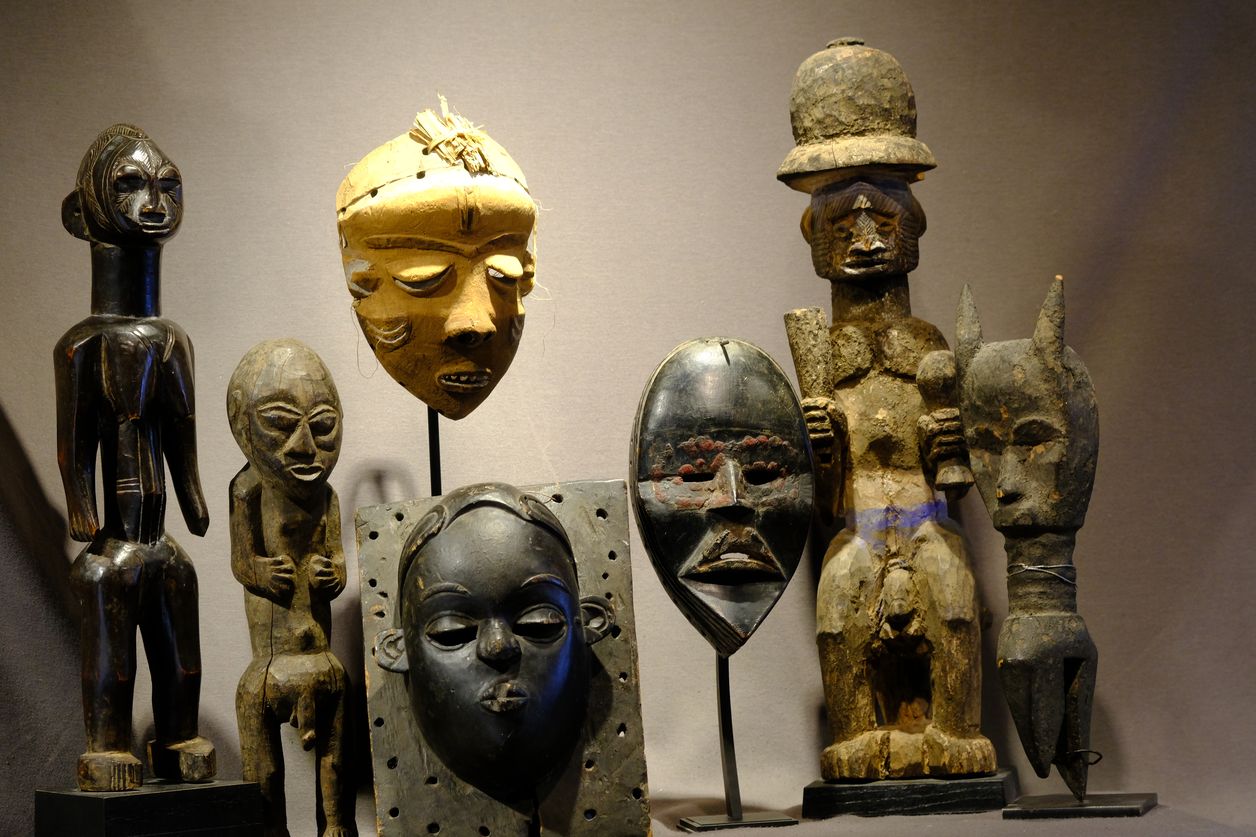
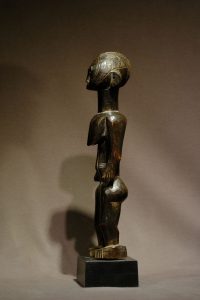
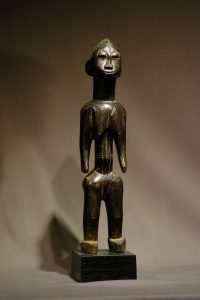
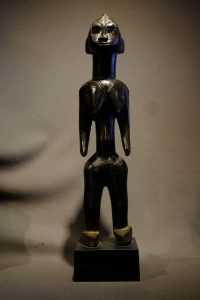
Mossi Mossi figure — ex New York collection, Bonhams New York Mossi — a bit older than usual with a balance that doesn’t need explanation. Height 47 cm
Mossi Mossi figure — ex New York collection, Bonhams New York Mossi — a bit older than usual with a balance that doesn’t need explanation. Height 47 cm
Mossi Mossi figure — ex New York collection, Bonhams New York Mossi — a bit older than usual with a balance that doesn’t need explanation. Height 47 cm
Mossi Mossi figure — ex New York collection, Bonhams New York Mossi — a bit older than usual with a balance that doesn’t need explanation. Height 47 cm
Mossi Mossi figure — ex New York collection, Bonhams New York Mossi — a bit older than usual with a balance that doesn’t need explanation. Height 47 cm
Mossi Mossi figure — ex New York collection, Bonhams New York Mossi — a bit older than usual with a balance that doesn’t need explanation. Height 47 cm
Mossi Mossi figure — ex New York collection, Bonhams New York Mossi — a bit older than usual with a balance that doesn’t need explanation. Height 47 cm
Mossi Mossi figure — ex New York collection, Bonhams New York Mossi — a bit older than usual with a balance that doesn’t need explanation. Height 47 cm
Mossi Mossi figure — ex New York collection, Bonhams New York Mossi — a bit older than usual with a balance that doesn’t need explanation. Height 47 cm
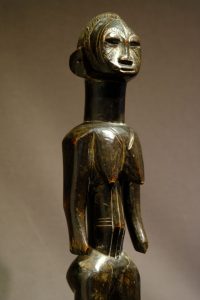
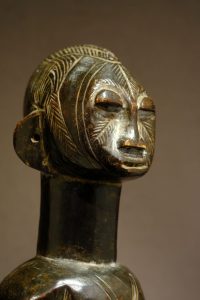
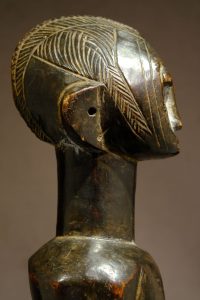
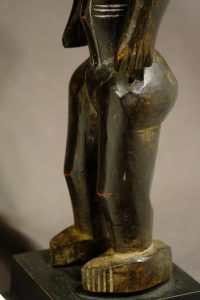
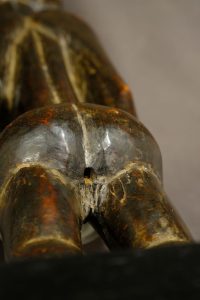
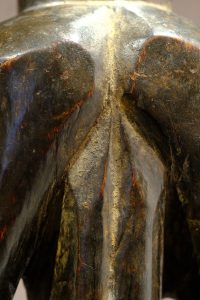
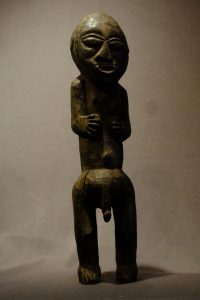
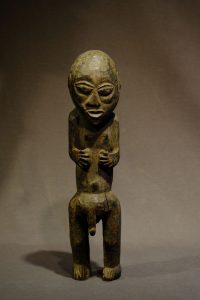
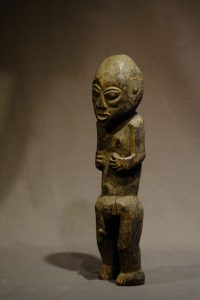
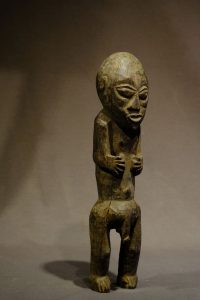
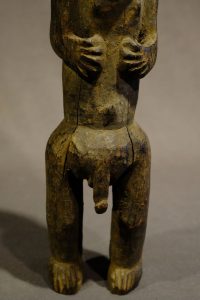
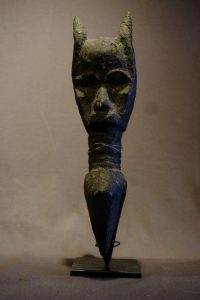
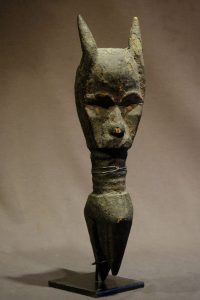
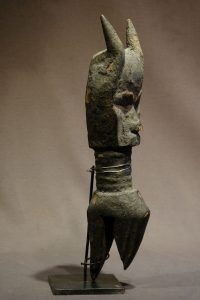
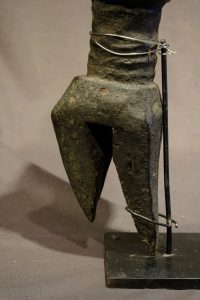
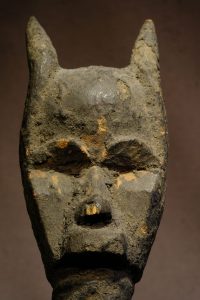
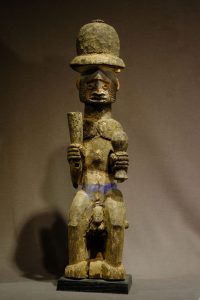
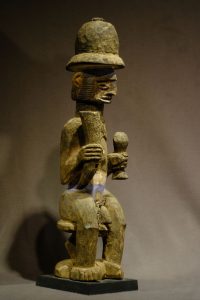
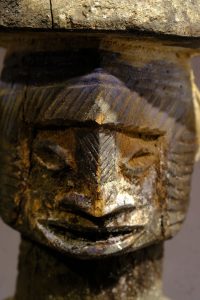
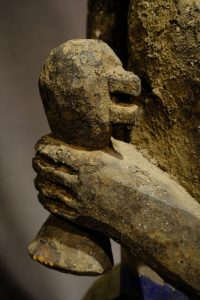
Boki Boki figure — ex Ursula Heijs Voorhuis collection Boki — strong hands the rest follows slowly. Height 38 cm
Boki Boki figure — ex Ursula Heijs Voorhuis collection Boki — strong hands the rest follows slowly. Height 38 cm
Boki Boki figure — ex Ursula Heijs Voorhuis collection Boki — strong hands the rest follows slowly. Height 38 cm
Boki Boki figure — ex Ursula Heijs Voorhuis collection Boki — strong hands the rest follows slowly. Height 38 cm
Boki Boki figure — ex Ursula Heijs Voorhuis collection Boki — strong hands the rest follows slowly. Height 38 cm
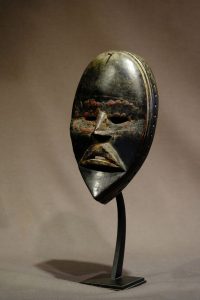
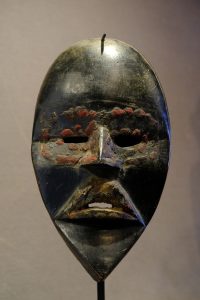
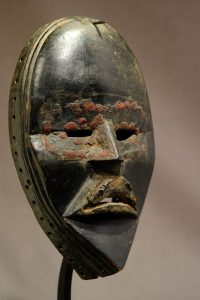
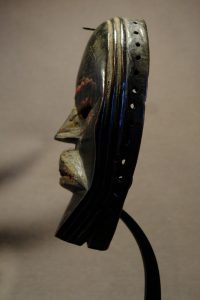
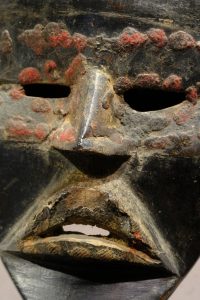
Dan mask Dan mask — French collection, later Netherlands Dan — almost dreaming not fully awake. Height 22 cm (32 cm on stand)
Dan mask Dan mask — French collection, later Netherlands Dan — almost dreaming not fully awake. Height 22 cm (32 cm on stand)
Dan mask Dan mask — French collection, later Netherlands Dan — almost dreaming not fully awake. Height 22 cm (32 cm on stand)
Dan mask Dan mask — French collection, later Netherlands Dan — almost dreaming not fully awake. Height 22 cm (32 cm on stand)
Dan mask Dan mask — French collection, later Netherlands Dan — almost dreaming not fully awake. Height 22 cm (32 cm on stand)
Dan divination figure Dan divination figure — French collection Dan — a form that calls the spirits the forest still responds. Height 35 cm
Dan divination figure Dan divination figure — French collection Dan — a form that calls the spirits the forest still responds. Height 35 cm
Dan divination figure Dan divination figure — French collection Dan — a form that calls the spirits the forest still responds. Height 35 cm
Dan divination figure Dan divination figure — French collection Dan — a form that calls the spirits the forest still responds. Height 35 cm
Dan divination figure Dan divination figure — French collection Dan — a form that calls the spirits the forest still responds. Height 35 cm
Igbo (Ikenga) Igbo figure (Ikenga) — collection Nancy & John Hyde DeVoe, New York (1950s–70s) Igbo — Ikenga a figure of strength, held over time — and across the ocean. Height 57 cm
Igbo (Ikenga) Igbo figure (Ikenga) — collection Nancy & John Hyde DeVoe, New York (1950s–70s) Igbo — Ikenga a figure of strength, held over time — and across the ocean. Height 57 cm
Igbo (Ikenga) Igbo figure (Ikenga) — collection Nancy & John Hyde DeVoe, New York (1950s–70s) Igbo — Ikenga a figure of strength, held over time — and across the ocean. Height 57 cm
Igbo (Ikenga) Igbo figure (Ikenga) — collection Nancy & John Hyde DeVoe, New York (1950s–70s) Igbo — Ikenga a figure of strength, held over time — and across the ocean. Height 57 cm
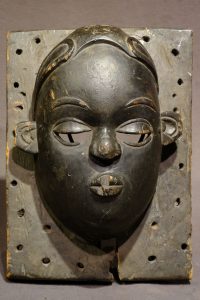
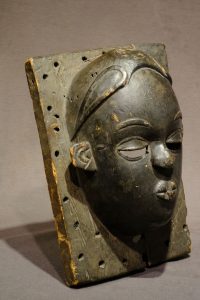
Ibibio Ibibio panel — Danish collection Ibibio — quiet construction with a presence that builds slowly. Height 27 cm
Ibibio Ibibio panel — Danish collection Ibibio — quiet construction with a presence that builds slowly. Height 27 cm
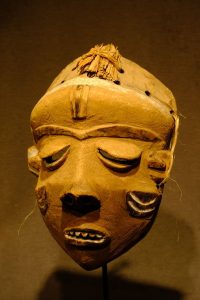
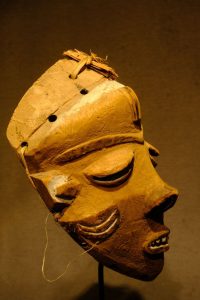
Pende Pende mask — ex Hans Schoute, The Hague Pende — light in appearance but not without structure. Height 23 cm
Pende Pende mask — ex Hans Schoute, The Hague Pende — light in appearance but not without structure. Height 23 cm
If one of these speaks to you, feel free to get in touch.
I’ll be happy to share more images, provenance, or details.
Leave a Reply
You must be logged in to post a comment.