And there are those who live with objects for a long time before letting them go.
Not long ago, an anthropologist came to see a Dogon figure.
He didn’t come alone.
He came with his wife, and they spent time with the piece — quietly, without deciding.
Nothing happened that day.
Which, in hindsight, was already meaningful.
Two weeks later, he returned.
This time, not to negotiate.
But with a different kind of proposal.
He was ready to let go of pieces he had lived with for years, in order to take one with him.
An anthropologist looks differently.
Not in terms of categories or completeness.
But in terms of use.
How an object has been handled. Returned to. Integrated into a life.
And over time, that changes what is kept.
The group that came from this exchange was not assembled.
It had already taken shape, slowly, over years.
African, but not only African.
Objects that lived alongside Oceanic works, Pre-Columbian pieces, and traces of archaeology.
Not separated, but understood in relation.
That kind of collecting leaves marks.
Not always visible at first.
But present in the surface. In the choices. In what was not discarded.
Some pieces reveal themselves immediately.
Others take longer.
Those are often the ones that remain.
Looking back, the exchange was simple.
Not a transaction.
But a moment where two ways of seeing aligned — just long enough for objects to change hands.
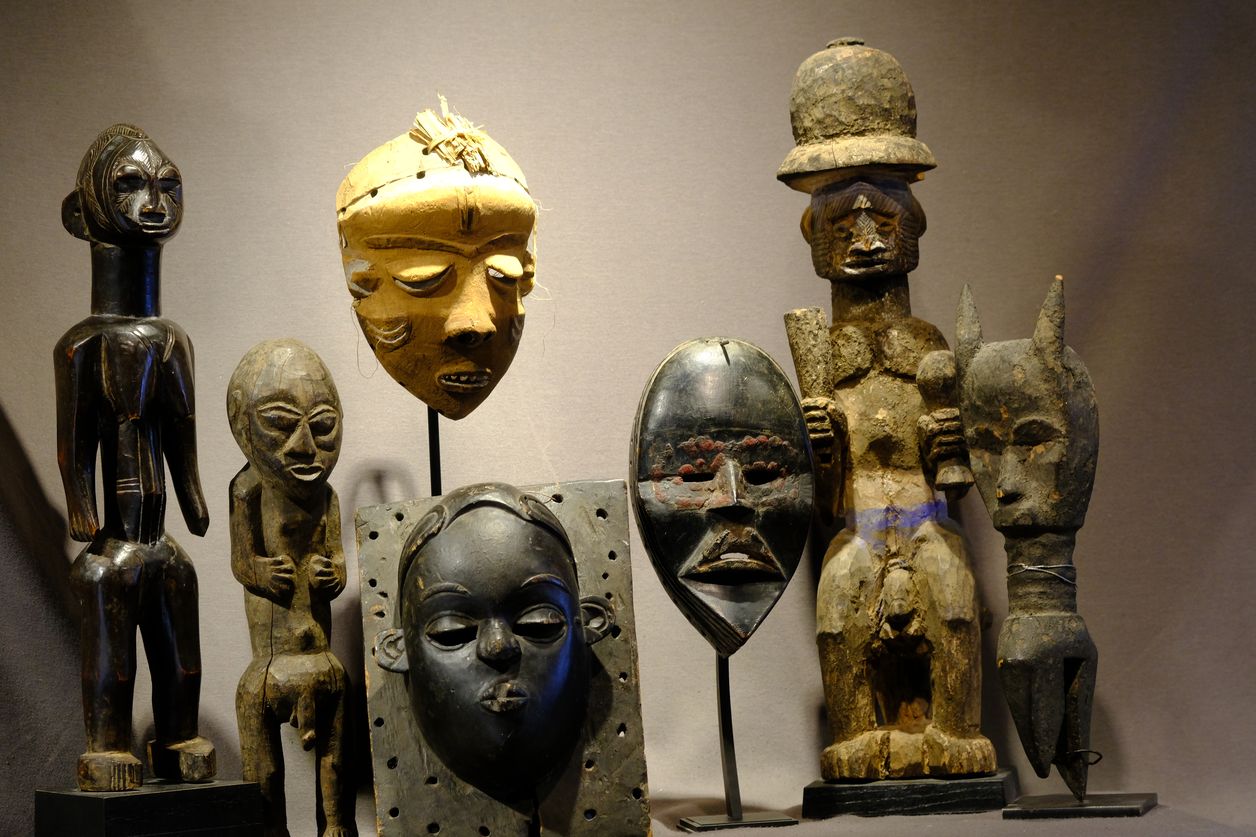
Below are some of the pieces that came from that moment. (click on the images to enlarge)
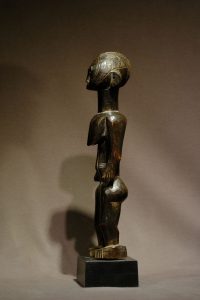
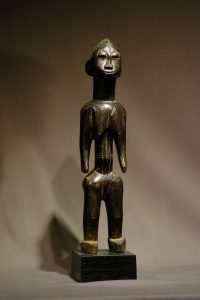
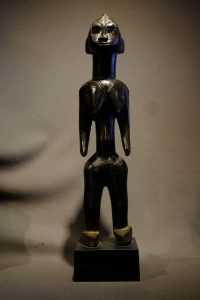
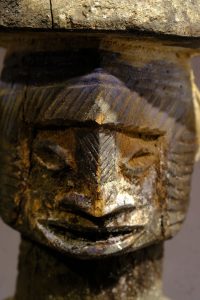
Mossi Mossi figure — ex New York collection, Bonhams New York Mossi — a bit older than usual with a balance that doesn’t need explanation. Height 47 cm
Mossi Mossi figure — ex New York collection, Bonhams New York Mossi — a bit older than usual with a balance that doesn’t need explanation. Height 47 cm
Mossi Mossi figure — ex New York collection, Bonhams New York Mossi — a bit older than usual with a balance that doesn’t need explanation. Height 47 cm
Mossi Mossi figure — ex New York collection, Bonhams New York Mossi — a bit older than usual with a balance that doesn’t need explanation. Height 47 cm
Mossi Mossi figure — ex New York collection, Bonhams New York Mossi — a bit older than usual with a balance that doesn’t need explanation. Height 47 cm
Mossi Mossi figure — ex New York collection, Bonhams New York Mossi — a bit older than usual with a balance that doesn’t need explanation. Height 47 cm
Mossi Mossi figure — ex New York collection, Bonhams New York Mossi — a bit older than usual with a balance that doesn’t need explanation. Height 47 cm
Mossi Mossi figure — ex New York collection, Bonhams New York Mossi — a bit older than usual with a balance that doesn’t need explanation. Height 47 cm
Mossi Mossi figure — ex New York collection, Bonhams New York Mossi — a bit older than usual with a balance that doesn’t need explanation. Height 47 cm
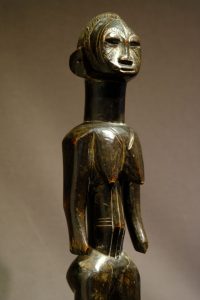
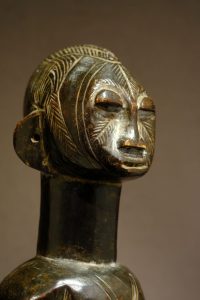
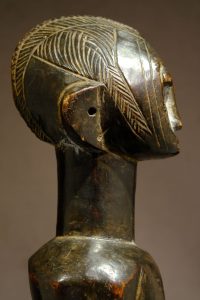
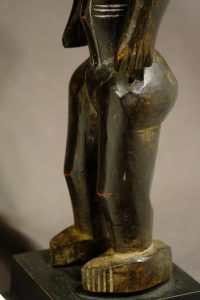
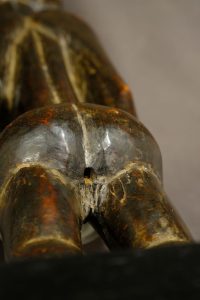
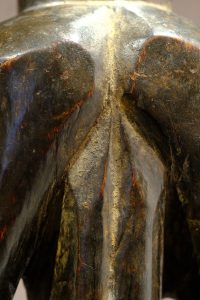
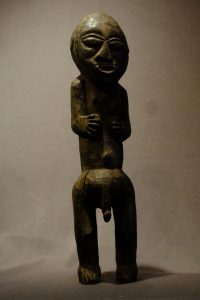
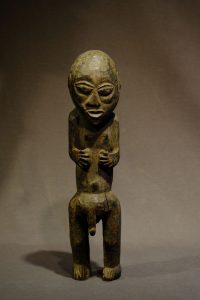
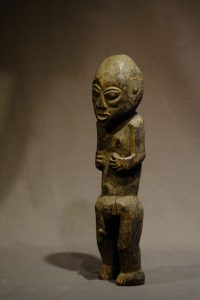
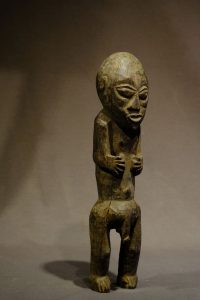
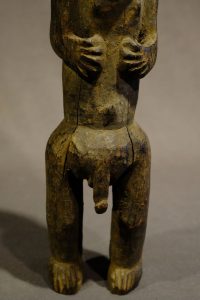
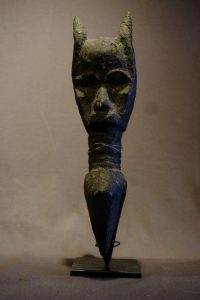
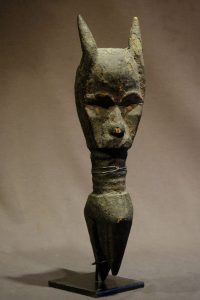
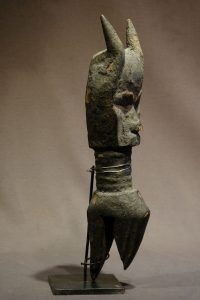
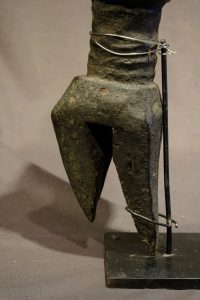
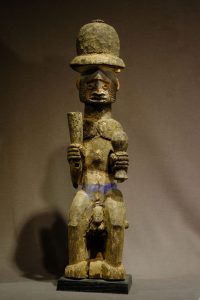
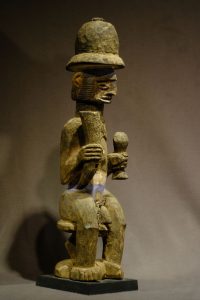
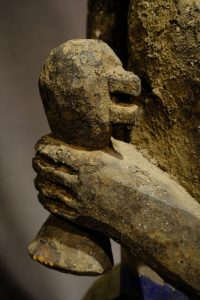
Boki Boki figure — ex Ursula Heijs Voorhuis collection Boki — strong hands the rest follows slowly. Height 38 cm
Boki Boki figure — ex Ursula Heijs Voorhuis collection Boki — strong hands the rest follows slowly. Height 38 cm
Boki Boki figure — ex Ursula Heijs Voorhuis collection Boki — strong hands the rest follows slowly. Height 38 cm
Boki Boki figure — ex Ursula Heijs Voorhuis collection Boki — strong hands the rest follows slowly. Height 38 cm
Boki Boki figure — ex Ursula Heijs Voorhuis collection Boki — strong hands the rest follows slowly. Height 38 cm
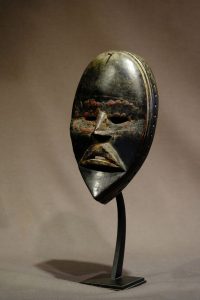
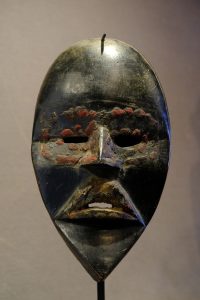
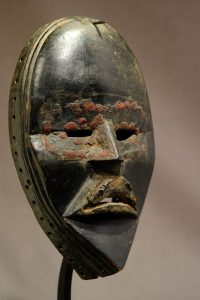
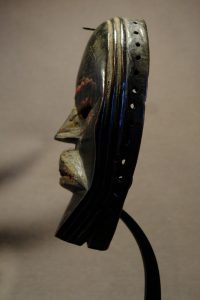
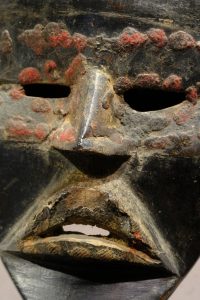
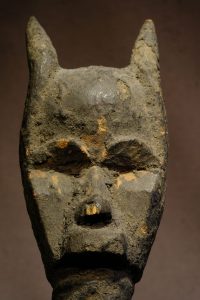
Dan mask Dan mask — French collection, later Netherlands Dan — almost dreaming not fully awake. Height 22 cm (32 cm on stand)
Dan mask Dan mask — French collection, later Netherlands Dan — almost dreaming not fully awake. Height 22 cm (32 cm on stand)
Dan mask Dan mask — French collection, later Netherlands Dan — almost dreaming not fully awake. Height 22 cm (32 cm on stand)
Dan mask Dan mask — French collection, later Netherlands Dan — almost dreaming not fully awake. Height 22 cm (32 cm on stand)
Dan mask Dan mask — French collection, later Netherlands Dan — almost dreaming not fully awake. Height 22 cm (32 cm on stand)
Dan divination figure Dan divination figure — French collection Dan — a form that calls the spirits the forest still responds. Height 35 cm
Dan divination figure Dan divination figure — French collection Dan — a form that calls the spirits the forest still responds. Height 35 cm
Dan divination figure Dan divination figure — French collection Dan — a form that calls the spirits the forest still responds. Height 35 cm
Dan divination figure Dan divination figure — French collection Dan — a form that calls the spirits the forest still responds. Height 35 cm
Dan divination figure Dan divination figure — French collection Dan — a form that calls the spirits the forest still responds. Height 35 cm
Igbo (Ikenga) Igbo figure (Ikenga) — collection Nancy & John Hyde DeVoe, New York (1950s–70s) Igbo — Ikenga a figure of strength, held over time — and across the ocean. Height 57 cm
Igbo (Ikenga) Igbo figure (Ikenga) — collection Nancy & John Hyde DeVoe, New York (1950s–70s) Igbo — Ikenga a figure of strength, held over time — and across the ocean. Height 57 cm
Igbo (Ikenga) Igbo figure (Ikenga) — collection Nancy & John Hyde DeVoe, New York (1950s–70s) Igbo — Ikenga a figure of strength, held over time — and across the ocean. Height 57 cm
Igbo (Ikenga) Igbo figure (Ikenga) — collection Nancy & John Hyde DeVoe, New York (1950s–70s) Igbo — Ikenga a figure of strength, held over time — and across the ocean. Height 57 cm
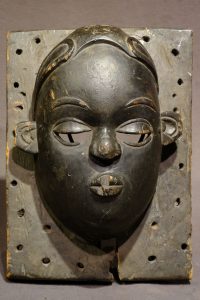
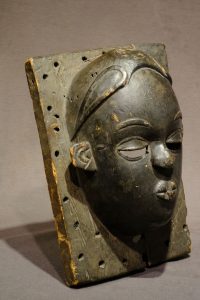
Ibibio Ibibio panel — Danish collection Ibibio — quiet construction with a presence that builds slowly. Height 27 cm
Ibibio Ibibio panel — Danish collection Ibibio — quiet construction with a presence that builds slowly. Height 27 cm
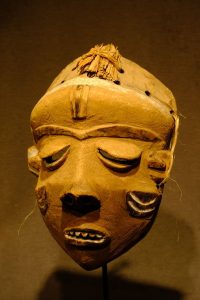
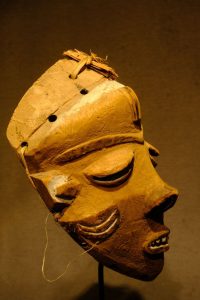
Pende Pende mask — ex Hans Schoute, The Hague Pende — light in appearance but not without structure. Height 23 cm
Pende Pende mask — ex Hans Schoute, The Hague Pende — light in appearance but not without structure. Height 23 cm
If one of these speaks to you, feel free to get in touch.
I’ll be happy to share more images, provenance, or details.
I recently acquired two fascinating pieces: an Ibibio mask with a twisted face featuring a pattern resembling the Chanel logo on its forehead, and a Bakongo Colon figure representing a white colonial administrator.
At first glance, one might think the Ibibio mask with the Chanel-like motif is a blend of tradition and contemporary influence—or even an example of cultural appropriation in reverse! But in reality, this is an authentic piece, a rare “Idiok Ekpo” sickness mask linked to ancestral spirits. These masks are known for their refined yet exaggerated features, often used in ceremonies by the Ekpo secret society.
The “Chanel” Illusion – A Coincidence or Cultural Fusion?
When I first saw the mask, I was struck by the fortuitous resemblance between its forehead markings and the famous Chanel logo. It’s fascinating how our minds make these visual associations! However, this is not a modern intervention—just a case of our contemporary eyes interpreting a traditional African symbol in an unexpected way.
Ibibio masks often feature symbolic patterns, including stylized scarifications or esoteric signs linked to their spirituality. The two interlocking Cs with a vertical bar in the middle could represent an initiation mark, a sign of belonging, or simply a decorative motif—entirely unrelated to fashion. But because our modern world is saturated with brand logos, we instinctively connect the two.
This kind of visual coincidence happens often with African art, which is rich in geometric patterns that sometimes evoke modern symbols. 😊
One detail proving the ritual use of this mask is the small holes that were once used to insert feathers, a common feature in Ibibio ceremonial pieces. Ibibio masks are quite rare, and the Ibibio people themselves were only formally documented in the 1930s by J.I. Jones. You can find more about his research and early photographs of the Ibibio here.
A related Ibibio sickness mask was published in the exhibition catalog: “To Cure and Protect: Sickness and Health in African Art”, by Frank Herreman, Museum for African Art, New York (1999), p. 22, #12.
Bakongo Colon Figure – Satire, Observation, or Tribute?
Another intriguing piece in my collection is a Bakongo Colon figure from the Democratic Republic of Congo, formerly in the Pierre Loos collection (Brussels).
Colon figures are fascinating artifacts, representing Europeans in an African sculptural style. These figurines emerged during the colonial era and continued after independence, blending satire, artistic adaptation, and social commentary.
This particular figure depicts a white colonial administrator, dressed in a suit, hat, and leaning on a cane, with one foot crossed over the other, resting on the toes. This pose is not just a stylistic choice—it carries symbolic meaning. The crossed foot could represent dominance, while the toe-resting stance might suggest instability or vulnerability—a subtle nod to the precarious position of colonial authority.
For the Bakongo, these figures were a way to express, critique, or reinterpret colonial presence while preserving their own artistic identity. It’s fascinating to see how African artists captured the essence of European figures while subtly infusing them with their own cultural perspective.
Authenticity and Provenance
Both the Ibibio mask and the Bakongo Colon figure are guaranteed authentic, with strong provenance.
If you’re interested in seeing more images or details, simply hit the reply button or give me a call—I’d be happy to discuss these pieces further.
You’re also welcome to visit my shop in Antwerp, Belgium, where you can explore my full collection. Please call in advance to confirm your visit.
David Norden
Looking forward to hearing your thoughts!
Ibibio “Chanel” mask, provenance Johannes Baker collection. h=25 cm.
Ibibio mask,
South-east Nigeria
Wood, black and white pigments
Early 20th century
H: 25 cm