Category: tribal art

  • How to Train Your Eye in African Art: 3 Practical Tips for Collectors

    How to Train Your Eye in African Art: 3 Practical Tips for Collectors

    Chibinda Ilunga figure, Chokwe, Angola — Museum RietbergThis article is based on a recent newsletter I sent to collectors. 


    Over the years, I’ve noticed that most collectors are not lacking interest — they are lacking orientation.

    Where do you look?
    What do you trust?
    And how do you train your eye?

    In this guide, I share three practical directions that I personally use — and that can quietly transform the way you see African art.


    1. Train Your Eye: Use Museum Collections

    Figure of the culture hero Chibinda Ilunga, Workshop of the Chokwe region, Angola, around 1850 Wood, Museum Rietberg, 2007.1, Gift acquired through Novartis 5 2007.1

    If there is one habit I would recommend to any collector, it is this: spend time with museum collections.

    Not only in person — but also online.

    Today, many major institutions offer access to thousands of documented objects. You can study proportions, surfaces, patina, and even small details that rarely appear in books.

    In the guide below, you’ll find direct and active links to museum databases, along with a selection of objects that I personally find particularly interesting.

    Over time, something shifts — you begin to recognise what feels right… and what doesn’t.

    → Explore museum collections

    Collector insight:
    The more time you spend with strong, documented objects, the more confident your decisions become when a good piece appears.


    2. Understand What You Are Really Looking At

    One of the most common mistakes I see is confusion between authentic objects and decorative pieces.

    The difference is not always obvious — especially at the beginning.

    But authentic objects tend to have a certain internal coherence:
    the proportions make sense, the wear follows use, the surface has depth, and the object carries a presence that is difficult to imitate.

    In the article below, I explain how I approach this distinction in practice:

    → Read the article on authenticity

    Collector insight:
    Once you have seen enough authentic pieces, decorative ones start to feel strangely empty — even when they look convincing at first glance.


    Ibibio chanel mask

    Ibibio “Chanel” mask — Nigeria

    A Piece That Caught My Eye

    While writing this, I was reminded of a mask I have kept in the collection for some time — an Ibibio “Chanel” mask.

    At first glance, it may seem unusual or even playful. But if you take a closer look, you begin to see the coherence in the carving, the balance in the proportions, and the way the surface has evolved through handling and use.

    It is also a good example of how African artists could absorb and reinterpret external influences, while remaining rooted in their own visual language.

    This is exactly the kind of object where experience matters — not because it is obvious, but because it reveals itself over time.

    → View the Ibibio mask


    3. Be Careful with Labels

    African art is often simplified — sometimes too much.

    Certain names are used so loosely that they can become misleading.

    Take the Kuba, for example.

    Behind this single label lies a complex network of workshops, styles, and neighbouring cultures. Not everything labelled “Kuba” is what you might expect — and understanding that can completely change how you evaluate an object.

    In the article, I also touch on the figure traditionally associated with the founding of the Kuba Kingdom, and why that history still matters when looking at objects today.

    If you want to look beyond the label and discover the story behind it:

    → Read the Kuba article

    Collector insight:
    Collectors who rely too much on names often miss good objects — or overpay for average ones.


    A Final Thought

    Collecting is not about owning many objects.

    It is about learning to recognise the right ones — and having the confidence to act when you see them.

    Even after 30 years, I still return to museum collections, compare objects, and refine my eye.

    If you would like to explore pieces selected through that same process:


    Happy and curious,
    David Norden

    African Antiques From Antwerp — One Eye, 30 Years of Selection
    Personally chosen with curiosity and experience — so you can collect with confidence.

    Share and Enjoy !

    Shares
  • African Masks for Sale

    African Masks for Sale

    African Masks for Sale: How to Choose Authentic Masks and Avoid Counterfeits

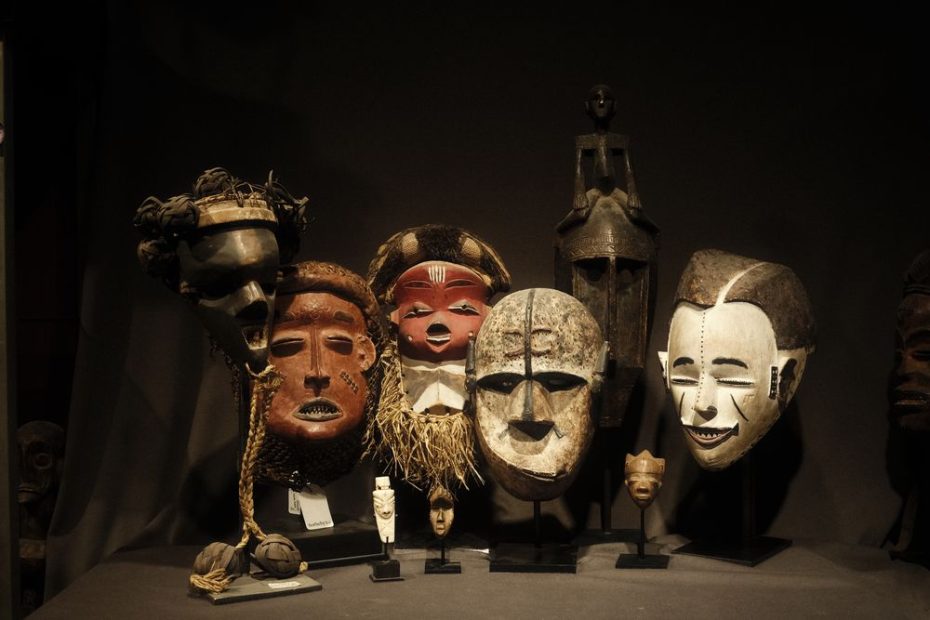
    When you search for African masks for sale, you’ll find an overwhelming amount of options online. But distinguishing between decorative masks, tourist pieces, and authentic ritual objects from traditional African communities is often challenging.

    With over 30 years of experience in tribal art, I explain how to make an informed choice—and which traps to avoid.


    Why African Masks Are So Highly Valued

    Traditional masks are used during rituals, initiations, funerals, ancestor veneration, and secret society ceremonies. They are not just art objects; they are cultural vehicles carrying:

    • symbolism

    • social structure

    • spiritual protection

    • historical traditions

    Anyone who collects an authentic African mask is building a collection with real ethnographic value.


    Popular African Masks: Beautiful but Often Counterfeited

    Certain masks from Gabon and Congo are highly sought after worldwide—and therefore the most frequently faked. Especially:

    • Fang masks (Gabon)

    • Punu masks (Gabon)

    • Kota and Fang reliquary figures

    • Songye and Luba masks (Congo)

    These masks are aesthetically powerful, widely published in museums, and iconic in the Western imagination.
    As a result, authentic examples are very expensive and come with the highest risk of forgery.

    For buyers seeking decorative masks, this is not necessarily a problem.
    But anyone wishing to build an authentic collection must proceed with caution.


    Better Options for Beginning Collectors: Tribes with Fewer Forgeries

     african art igbo mask

    Example: An Igbo girl’s spirit mask from a David Norden collection.

    Collectors who want to start their collection without falling into the trap of costly counterfeits are often better off choosing masks from ethnic groups where:

    • more traditional material is still available

    • styles are less commercially targeted

    • fewer forgeries circulate

    Recommended tribes for high-quality and reliable masks:

    • Dan masks (Ivory Coast)

    • Bassa masks (Liberia/Ivory Coast)

    • Mossi masks (Burkina Faso)

    • Nigerian masks (Igbo, Yoruba, Ibibio, etc.)

    • Masks from Ivory Coast in general (Senufo, Baoulé, Guro)

    These are excellent entry points for building an authentic African mask collection without the extreme prices and risks associated with Gabonese or Congolese works.


    What to Look for When Buying African Masks

    1. Origin and Ethnic Attribution

    A trustworthy dealer will always specify:

    • the ethnic group

    • the region

    • the traditional function

    2. Patina and Wear

    Key indicators include:

    • smoke marks (older pieces often no longer smell of smoke)

    • layered pigments consistent with age

    • raffia showing natural aging (older raffia is often finer and more fragile)

    • wear from handling and dance use (but beware of artificially created “wear”)

    3. Materials and Techniques

    Authentic masks are typically:

    • hand-carved from durable woods

    • colored with natural pigments

    • decorated with beads, shells, or traditional materials

    • not coated with modern varnishes, paint, or synthetic patinas

    4. Written Description (Essential!)

    Always ask for:

    • a written description

    • an estimated age

    • provenance or collecting history

    This is especially important for expensive masks from Gabon and Congo.

    5. Consult a Specialist for High-End Pieces

    When purchasing Fang, Punu, Songye, Luba, or other major works:

    • always ask for a second opinion

    • buy only from reputable dealers

    • avoid impulsive online purchases

    It is better to pay more once for a reliable piece than to be deceived twice.


    African Masks for Sale? Buy with Knowledge and Confidence

    Whether you’re looking for decorative African masks or want to build a high-quality collection, a solid understanding of provenance, age, and the market will help you avoid disappointment.

    On my webshop BuyAfricanAntiques.com/shop, you’ll find a carefully curated selection of authentic African masks—always with clear descriptions, provenance, and expertise.

    Share and Enjoy !

    Shares
  • Miniature African art for sale

    Miniature African art for sale

    Miniature African Art for Sale

    Authentic Traditional Miniatures — Collected by David Norden

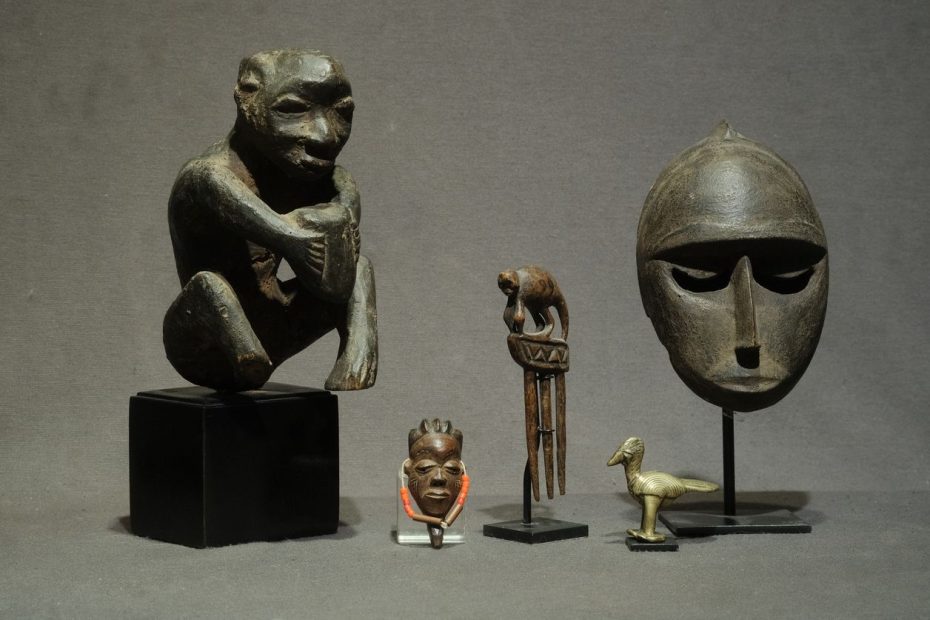
    Welcome to a curated selection of miniature African art—hand-carved objects filled with symbolism, spirit, and cultural depth, despite their small size. These pieces were often used as personal talismans, protective charms, or tokens of devotion. Each one carries a story.

    Why Collect Miniature African Art?

    • Portable Power Objects – Many miniature figures and masks were created for private use by tribal elders, healers, or as part of initiation rituals.

    • Highly Collectible – Miniatures are ideal for collectors who appreciate the subtle elegance and intimacy of smaller-scale works.

    • Authenticity Guaranteed – Every item I offer has been vetted with over 30 years of expertise. No tourist reproductions—just genuine traditional pieces.


    Explore Rare and Unique Items

    • Miniature Fetish Figures – Often embedded with magical materials (bishimba), used for protection and healing.

    • Tiny Masks & Amulets – Carried during travels or worn for ceremonial purpose.

    • Shrine Pieces & Household Gods – Representing ancestors or spirits, often used in private altars.

    “Even a miniature piece can hold the full power of the ancestral world.” – David Norden

    What You Get:

    • ✅ Detailed description and tribe attribution

    • ✅ Certificate of authenticity

    • ✅ Worldwide shipping from my Antwerp gallery

    • ✅ Personal email follow-up with every order


    Shop Now

    🛒 Browse Miniature African Art Collection »

    Every piece is one-of-a-kind. Once sold, it’s gone.

    Easter Egg: Can you spot the one that is not African ?

    Share and Enjoy !

    Shares
  • What are popular and expensive African art masks and statues

    What are popular and expensive African art masks and statues

    African art is a diverse and rich field, with many popular and expensive masks and statues. Here are some examples of popular and expensive African art masks and statues:

    Benin Bronze Masks: From the Benin Empire in present-day Nigeria, these bronze masks are highly valued for their intricate details and historical significance and difficult to find today. Prices can range from $10,000 to $100,000 or more. Example a leopard mask sold at Christies in 2003 for 21,000$
    Dan Masks: From the Dan people of Liberia and Côte d’Ivoire, these masks are known for their distinctive features and ceremonial importance. Prices can range from $2,000 to $500,000 or more. Exemple, this Dan mask sold for 12,000€ in April 2024 at Christie’s
    Bamana Chi Wara Masks: From the Bamana people of Mali, these masks are used in agricultural ceremonies and are prized for their beauty and cultural significance. Prices can range from $3,000 to $100,000 or more. Example, this one sold at Sotheby’s this year for 113,000€
    Yoruba Egungun Masks: From the Yoruba people of Nigeria, these masks are used in ancestral ceremonies and are highly valued for their spiritual significance. Prices can range from $2,000 to $20,000 or more, but are rarely seen in higher price range Example, one from the Met Museum .
    Dogon Statues: From the Dogon people of Mali, these statues are known for their old age intricate carvings and mythological themes. Prices can range from $5,000 to several millions for the tellems that came before them. Example TELLEM STATUE Price realised EUR 1,250,000 at Christie’s
    Baule Masks: From the Baule people of Côte d’Ivoire, these masks are prized for their beauty and cultural significance. Prices can range from $3,000 to $100,000 or more. Example: A quite rare one that was owned by Picasso and sold for 1.5 million at Chrsties in 2013 and a more traditional face mask with an Antilope on top that sold for 2 million
    Fang Ngil Masks: From the Fang people of Gabon and Cameroon, these masks are used in initiation ceremonies and are highly valued for their spiritual significance. A huge amount of fakes on the market and very few genuine ones. Prices can range from $50,000 to several millions depending on age, beauty and provenance. Example: This Fang mask originally sold for 150€ from a private couple ended at a french auction for 4.2 million euros.
    Kongo Power Figures: Among the most wanted African Art items. From the Kongo people of Angola and Congo, these figures are used in spiritual ceremonies and are prized for their beauty and cultural significance. Prices can range from $5,000 to a few millions or more. Exemple this nkisi n’kondi coming from Barbier-Mueller’s museum sold at Christie’s in Paris for 9 million euros xx
    Ashanti Gold Weights: From the Ashanti people of Ghana, these gold weights are used in ceremonial contexts and are highly valued for their historical significance. There prices are much more modest and a perfect type of object for starting collectors. Prices range from $100 to $500 or more. Example one in the Denver art Museum
    Songye Nkishi: The Songye tribe from congo made imposing male figure, about half life size, used to protect the village and trained ritual by the nganga magician. They are much wanted, and price vary from 5,000€ to a few hundred thousands. Example: one from the Metropolitan Museum

    Please note that prices may vary depending on factors such as provenance (the ownership history), condition (the state of preservation), rarity (how common it is), size (larger pieces may be worth less than smaller ones due simply being larger), age (older pieces tend be worth more because they are likely been used in a tribal context), quality of carving etc.,

    Also note that some African art pieces may have been looted or removed without permission during colonial times which adds an extra layer complexity when buying/selling said items today due legal & ethical considerations surrounding repatriation efforts across African countries currently happening right now, making some objects more difficult to buy or sell ( like Benin bronzes and ivories )

    Share and Enjoy !

    Shares
  • Primitive Art in Antwerp

    Primitive Art in Antwerp

    Lire en Français Art Primitif à Anvers.

    Lees in Nederlands Primitieve Kunst in Antwerpen.

    We visited David Norden, an esteemed antique dealer with a passion for African art.
    We captured his story in three days, focusing on his personal life as an antiques dealer
    and how he gained his knowledge.
    “My father and grandfather already had an antique shop. That’s how my knowledge about this has grown.”
    During the documentary, his view of the art world and his passion for what he believes in emerge:
    “For me, artefacts are ambassadors of a country’s culture and we will remain that way
    aware of what those people have done.”

    primitive art in Antwerp

    Video (c) by StampMedia under creative commons, byMatias Ramos, ter Maat and Kiza Kobé.

    Nowadays everything always seems so busy. Everyone is on their way to work or thinking about their future.
    Shops are full and everything seems to be in constant motion. But hidden among all this hustle and bustle you occasionally find a shop where time seems to stand still.

    “David Norden Primitive Art”

    D.N. My name is David Norden. I am sixty years old and in daily life I am a dealer in African art.
    Yes, I have been doing that for about thirty years. I have had a trade register since 1988. I was a professional photographer for five years.
    I switched to more African art and in the beginning I also did some general antiques.

    Shop Karel Israel Norden-Spui 164-Den Haag-1962

    And my father and my grandfather also all had an antique shop. And yes, when those people came, I was still a child. I then had to help serve the coffee, or arrange the pieces from the stock nicely and I liked to do that.

    (photo of David Norden’s mother Nadya Levi with Werner Gillon, former curator of the British Museum African art)

    Then I went to England with my mother at auctions and then yes, that’s how my knowledge about it grew a bit. But when I was a child I did not immediately want to become a trader myself, I studied biology at university. But I didn’t complete that, and then studied photography and became professional photographer.
    African art is just self-study, I have never done specific studies for that. But it’s not that I wanted to do something with that. I just knew it. It wasn’t until later when… I was a photographer, but there were a lot of people who just didn’t pay me properly as a photographer. It is a service sector, and then I thought for a moment about trying something different.

    K.K. – How do you even start with that? What, how do you get those objects into the store?

    D.N. Today I mainly buy via online auctions. And sometimes I also have a collector who has a lot of pieces and who says David I have a few pieces here that I no longer fit in my collection and you have something that I would like to have. Can we exchange or part money and exchange? So that’s how I get my pieces

    K.K. Then the maintenance of such objects. Do you spend a lot of time on that or is there a lot of effort?

    D.N. In fact not really, but what is nice: if you have a beautiful piece, sometimes presentation can add something… sometimes you have a pedestal made if they do not hold straight.
    Also with masks, if you don’t want to hang them on the wall, you can have a stand made for them and then it presents better.
    I know there are also dealers who work with repairers to fill gaps and sometimes trim or repatinate pieces
    but I don’t concern myself with that. I usually leave the pieces as they are, as they come in.
    The oldest pieces I have can sometimes be two or three thousand years old.

    Yes, I have another statue that has an interesting story. This is a Teke statue that comes from Congo before 1930.


    TEKE Statue taken out from the fire by Claude Lehuard and collected in Congo-Brazzaville between 1924 & 1933

    At that time the missionaries wanted to burn those figures. These were “fetishes“, they were supposedly evil spirits, and the Africans had to become Catholic and in fact they had to renounce their religion. And then the missionaries put all those statues on a large pyre.
    That man (Claude Lehuard) was able to save a few of those statues from the pyre in time.
    And if you look at the image, you will see that there are still traces of the fire on it.

    I noticed that I was gaining a little weight with age and thought, how am I going to fix that? By having a little more physical activity. But I personally don’t really feel the need to go to a gym or anything like that. So I thought I might do a little gardening.

    So my wife bought a house in France where I have a large vegetable garden of 500 square meters, and I can actually combine that a bit with my shop. So in the winter I let some seeds germinate with an artificial light. In the summer I just put them outside. And when I go to France, I just put those plants that have grown a in the car to plant in my vegetable garden. So that’s also kind of my hobby.
    And yes, I have a shop here that is not like all the other shops, because in most African art shops the dealers do it very clean, a bit like in a museum. And then you see five or ten pieces and they cost a lot of money. But then you are only addressing people who really have a lot of money and that is not really my intention here, so I am not concerned with that.

    K.K. And one of my last questions is, why did you choose the name “Primitive Art” as the name for your store?

    D.N. Yes, that’s a name that is a bit controversial. Usually I would say just African art. But since I’m a bit wider and sometimes also collect oceanic art or Eskimo (Inuit) art or non-European art, I first chose Primitive Art, but in fact every name is wrong so to speak. In my sense, it’s more the original meaning. But now they have also called that primary arts. Ultimately it is difficult to always please everyone with a name. It actually doesn’t say much at all.

    K.K. I have done some additional research and it appears that there are a few countries that do ask for their art back from antique institutions and museums that then deal in “Primary Art” or yes “Primitive Art”. What is your opinion on that?

    D.N. Yes, that is in fact a thing. At this moment we are in fact questioning history. So there are many countries that indeed say yes, you have robbed us of our art over time, sometimes by force and we would like to have those art objects back in our country because that is our culture. Personally, I don’t think that is 100% correct. For me, the artifacts are more ambassadors of a culture of a country, and that also ensure that other people discover a culture of a country and that also ensure that other people, in fact, yes, stay informed about what those people have done. Many pieces arrived in the XIX century. I just see something among colonials who had a plantation in Congo and then it is in the attic of those parents who are dying. I’m called, the house has to be cleared. Are you interested in buying those things from us? OK, I’ll buy them. Sometimes there are documents included, but often I don’t know under what circumstances those objects ended up here. So you can’t say if it was all stolen or not. No, it often needs to be nuanced a bit. It’s not all black or white, good or bad. There are many shades of gray in between.

    K.K. Thank you for your opinion.
    D.N. Yes you’re welcome.

    Share and Enjoy !

    Shares