Hi African Art collector ,
Some dealers would like you to believe that all African art is rare and priceless.
But we should remember that this is the art of an entire continent, home to hundreds of cultures and carving traditions — meaning there is truly something meaningful to collect at every level.
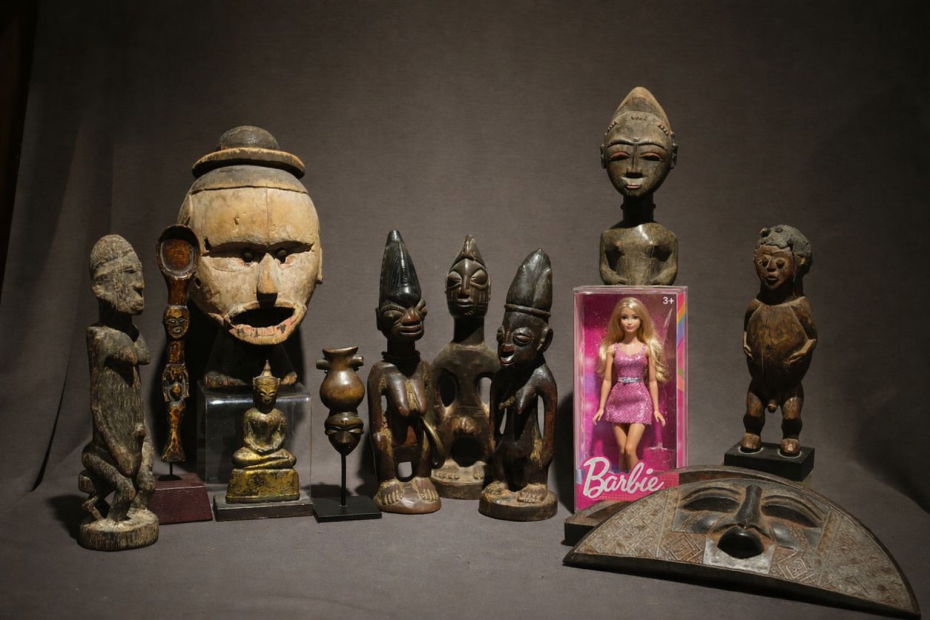
While many of the pieces I offer are valued in the thousands of euros, today I would like to focus on a selection of small, beautiful, and affordable African antiques — all priced below €1000 — which I have personally selected.
None of these objects were collected by me in Africa — in fact, I have never been to Africa. As I often say: “You don’t need to go to the Middle Ages to collect medieval art.”
What matters is experience, knowledge, and careful selection.
Over the years, many clients have become friends. I try to guide collectors in the same way I would advise someone close to me — helping them build a collection they will enjoy living with for years.
A few years ago, a long-time client told me — half joking, half serious — that with prices rising so quickly, he might stop collecting African art altogether and start collecting Barbie dolls instead.
At the time, the market felt overheated. Everything looked expensive. Everyone sounded confident.
What many collectors were really afraid of wasn’t price — it was getting it wrong.
Today, with the benefit of hindsight, something has become very clear:
not all African art will rise, and not all African art will fall.
Only the best pieces remain convincing, in any market.
A strong collection is not built by buying what is cheap, but by choosing objects that create an emotional response — because you will always forget the price you paid, while the quality you chose remains.
How these pieces are chosen
In today’s art market, many objects pass through layers of buyers, consultants, and assistants before reaching a gallery.
My business works differently.
For more than 30 years, I have personally selected every object I offer. No junior buyers, no assistants sent out to source material, no anonymous purchasing trips. If a piece is here, it is because I chose it myself.
And that matters.
African art is not decorative production. These objects were used, handled, repaired, and lived with. Recognizing the difference between a powerful authentic object and a clever imitation takes experience — and mistakes learned from decades of looking.
This applies just as much to an affordable object as to a major piece.
Why affordable doesn’t mean ordinary
Every object in my shop follows the same standards, regardless of price. Each piece comes with:
• A confirmed tribal origin, provenance, and cultural background explaining its original use
• Clear explanations of the traditions surrounding the object, and whenever possible historical photographs or maps
• Over 30 years of experience behind each selection — objects must carry emotion and genuine carving skill, because an object only has a soul when it was made for a purpose, not to please passing tourists
• All packing and shipping handled in-house, allowing me to personally ensure safe delivery
Collector’s note
You will always forget the price you paid — but your collection will always reflect the quality you chose.
Below you’ll find this week’s affordable discoveries: honest objects with history, character, and craftsmanship — ready to quietly earn their place in a collection.
Warm regards,
David Norden
African Antiques — Antwerp
www.buyAfricanAntiques.com