Tag: tribal masks

  • Navigating the World of Authentic African Masks: Lessons From 30 Years in the Field
    Navigating the World of Authentic African Masks: Lessons From 30 Years in the Field

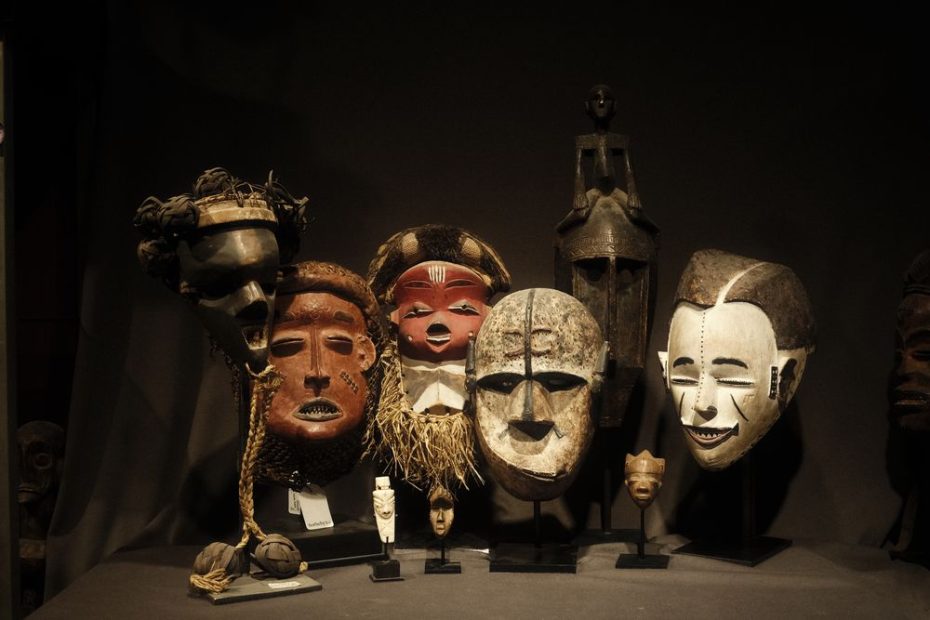
    Photo: A fine Suku Mask fom David Norden’s collection.

    Over the past weeks, several collectors have told me how difficult it is to navigate the world of African masks online.
    Too many choices, too many claims of “authenticity,” and far too many pieces that were never used in ritual at all.

    I understand the frustration.
    When I began 30 years ago, I made my share of mistakes too. Today, I’ve handled thousands of traditional masks, and I’ve seen the entire spectrum—from sacred instruments of ceremony to tourist replicas built to deceive.

    That experience is exactly why I wrote my latest article: to help you feel confident, informed, and inspired when you add a mask to your collection.

    What New and Experienced Collectors Should Know

    In simple terms, here are a few key points I cover:

    ✔️ Why authentic masks are meaningful

    Real masks were not created for decoration. They were made to serve the community—whether to honor ancestors, guide initiates, invoke protection, or embody spirits. This gives them a presence that modern copies simply cannot reproduce.

    ✔️ Which types are most heavily reproduced today

    Masks from popular ethnic groups—Baule, Dan, Songye, and Fang—are often copied because of demand. The reproductions might look pleasing at first glance, but they lack the subtle traits of long use: wear from handling, smoke absorption, repairs, ritual additions, and layers of history.

    ✔️ Regions that offer safer pathways for new collectors

    Certain areas of Central and West Africa still retain strong traditions and offer well-documented masks on the market. Understanding regional practices can help you recognize which pieces are more likely to be genuine.

    ✔️ What true age, patina, and use really look like

    Authentic masks show earned surface details—not artificially rubbed, sanded, or chemically aged textures. A true layered patina tells a story of sweat, dust, ritual substances, smoke, and human hands. It doesn’t feel “designed”; it feels lived.

    ✔️ Why provenance matters more than people think

    Provenance is not a luxury—it is protection. Knowing who collected the mask, when, where, and under what circumstances is essential. As a dealer, I expect the same proof I would demand if I were the buyer myself. And remember, provenances can also be faked, so use your sellers wisely.

    If you haven’t seen real masks in museums or international vetted fairs, I think you’ll enjoy my African Art Shop. Descriptions are clear, honest, and based on decades of working with real traditional pieces, not workshop replicas.


    The Personal Side: Why I Continue Searching

    Many people believe African masks are mainly decorative.
    But once you hold an authentic one—one that has danced, protected, instructed, or comforted its community—you feel the difference immediately.

    These are not just objects.
    They carry memory, presence, and dignity.

    This is the reason I continue to search for them, study them, and bring them to collectors who honor their origins. Finding a mask that has served its community is a privilege. Preserving it is a responsibility.


    Explore Authentic Masks

    If you’re thinking about adding a mask to your collection—or if you simply want to see what authentic examples look like—feel free to explore the selection on my webshop.

    👉 Browse authentic African masks and more: BuyAfricanAntiques.com/shop

    Every mask I offer is carefully chosen, described in detail, and accompanied by the provenance I would expect myself as a collector.

    If you ever have questions—need a second opinion, want guidance, or simply want to discuss a piece—reach out.
    I’m always happy to help.

    Warm regards,
    David Norden
    30 years of dealing in authentic African art
    Antwerp — BuyAfricanAntiques.com

    Share and Enjoy !

    Shares
  • African Masks for Sale

    African Masks for Sale

    African Masks for Sale: How to Choose Authentic Masks and Avoid Counterfeits

    When you search for African masks for sale, you’ll find an overwhelming amount of options online. But distinguishing between decorative masks, tourist pieces, and authentic ritual objects from traditional African communities is often challenging.

    With over 30 years of experience in tribal art, I explain how to make an informed choice—and which traps to avoid.


    Why African Masks Are So Highly Valued

    Traditional masks are used during rituals, initiations, funerals, ancestor veneration, and secret society ceremonies. They are not just art objects; they are cultural vehicles carrying:

    • symbolism

    • social structure

    • spiritual protection

    • historical traditions

    Anyone who collects an authentic African mask is building a collection with real ethnographic value.


    Popular African Masks: Beautiful but Often Counterfeited

    Certain masks from Gabon and Congo are highly sought after worldwide—and therefore the most frequently faked. Especially:

    • Fang masks (Gabon)

    • Punu masks (Gabon)

    • Kota and Fang reliquary figures

    • Songye and Luba masks (Congo)

    These masks are aesthetically powerful, widely published in museums, and iconic in the Western imagination.
    As a result, authentic examples are very expensive and come with the highest risk of forgery.

    For buyers seeking decorative masks, this is not necessarily a problem.
    But anyone wishing to build an authentic collection must proceed with caution.


    Better Options for Beginning Collectors: Tribes with Fewer Forgeries

     african art igbo mask

    Example: An Igbo girl’s spirit mask from a David Norden collection.

    Collectors who want to start their collection without falling into the trap of costly counterfeits are often better off choosing masks from ethnic groups where:

    • more traditional material is still available

    • styles are less commercially targeted

    • fewer forgeries circulate

    Recommended tribes for high-quality and reliable masks:

    • Dan masks (Ivory Coast)

    • Bassa masks (Liberia/Ivory Coast)

    • Mossi masks (Burkina Faso)

    • Nigerian masks (Igbo, Yoruba, Ibibio, etc.)

    • Masks from Ivory Coast in general (Senufo, Baoulé, Guro)

    These are excellent entry points for building an authentic African mask collection without the extreme prices and risks associated with Gabonese or Congolese works.


    What to Look for When Buying African Masks

    1. Origin and Ethnic Attribution

    A trustworthy dealer will always specify:

    • the ethnic group

    • the region

    • the traditional function

    2. Patina and Wear

    Key indicators include:

    • smoke marks (older pieces often no longer smell of smoke)

    • layered pigments consistent with age

    • raffia showing natural aging (older raffia is often finer and more fragile)

    • wear from handling and dance use (but beware of artificially created “wear”)

    3. Materials and Techniques

    Authentic masks are typically:

    • hand-carved from durable woods

    • colored with natural pigments

    • decorated with beads, shells, or traditional materials

    • not coated with modern varnishes, paint, or synthetic patinas

    4. Written Description (Essential!)

    Always ask for:

    • a written description

    • an estimated age

    • provenance or collecting history

    This is especially important for expensive masks from Gabon and Congo.

    5. Consult a Specialist for High-End Pieces

    When purchasing Fang, Punu, Songye, Luba, or other major works:

    • always ask for a second opinion

    • buy only from reputable dealers

    • avoid impulsive online purchases

    It is better to pay more once for a reliable piece than to be deceived twice.


    African Masks for Sale? Buy with Knowledge and Confidence

    Whether you’re looking for decorative African masks or want to build a high-quality collection, a solid understanding of provenance, age, and the market will help you avoid disappointment.

    On my webshop BuyAfricanAntiques.com/shop, you’ll find a carefully curated selection of authentic African masks—always with clear descriptions, provenance, and expertise.

    Share and Enjoy !

    Shares