Tag: Traditional African sculpture

  • Authentic African Art: Masks, Figures and Ritual Objects for Collectors
    Authentic African Art: Masks, Figures and Ritual Objects for Collectors

    Traditional African art is one of the most powerful artistic traditions in the world. Across hundreds of cultures and thousands of communities, artists created masks, sculptures, and ritual objects that served social, spiritual, and political purposes.

    Unlike modern decorative art, authentic African art was created to function inside living traditions. Masks danced in ceremonies, figures protected villages, and ritual objects mediated between the living and the ancestors.

    For collectors today, these objects offer something rare:
    a chance to hold a piece of cultural history shaped by belief, ritual, and time.

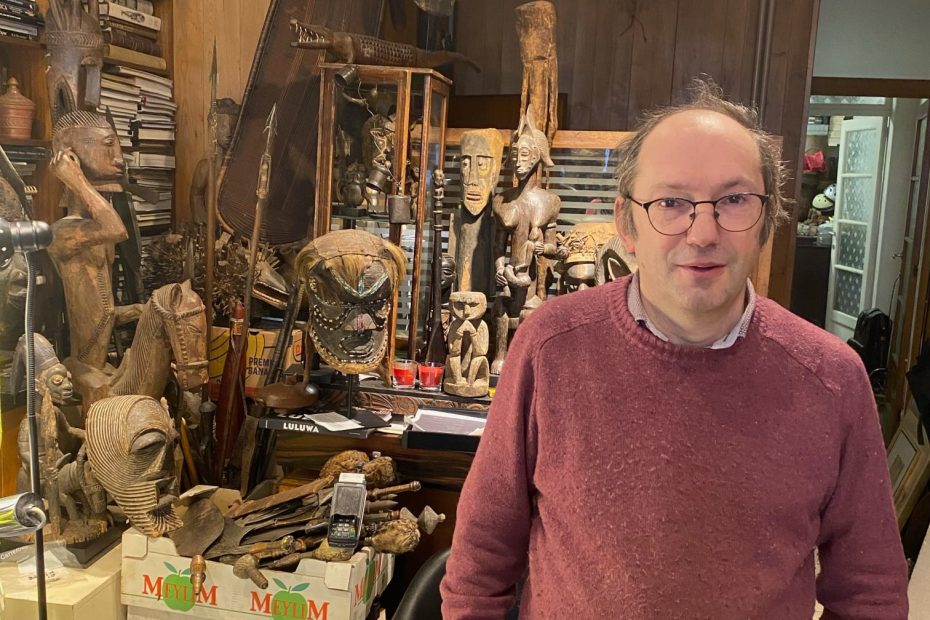
    For more than 30 years, I have helped collectors discover authentic traditional African art through my gallery in Antwerp and through my website:

    Browse the collection →
    https://buyafricanantiques.com/shop/


    African Masks: The Living Faces of Ritual

    Among the most recognizable forms of African tribal art are masks.

    But masks were never simply sculptures.
    They were part of performances involving costume, dance, music, and community participation.

    When worn during ceremonies, a mask allowed the dancer to embody:

    • ancestral spirits

    • mythological beings

    • protective forces

    • social characters within the community

    Many of the most striking African masks combine stylized abstraction with deep symbolic meaning.

    Example from the collection

    Bena Biombo Chameleon Helmet Mask

    https://buyafricanantiques.com/product/bena-biombo-mask/

    This rare helmet mask from the Bena Biombo people of the Congo features distinctive chameleon-like eyes symbolizing transformation and adaptability. Masks like this were used during royal funerary ceremonies and masquerades that connected the living community with ancestral spirits. ‘read also the article about the Kuba tribe since they are not what you think. 

    Other masks currently available include:

    Each mask reflects the unique artistic language of its culture.


    African Sculptures and Figures

    Across many African traditions, carved figures were used as spiritual intermediaries.

    These sculptures could represent:

    • ancestors

    • protective spirits

    • fertility forces

    • ritual guardians

    Rather than decorative statues, these figures were often kept in shrines, consulted by diviners, or used to protect families and villages.

    Example: Lobi Ritual Sculpture

    Double Head Dayir Lobi Figure – Burkina Faso

    https://buyafricanantiques.com/product/double-head-dayir-lobi-figure-burkina-faso/

    This impressive sculpture represents the ancestral couple of the Lobi clan and was traditionally placed in shrine spaces where it protected the community and embodied ancestral authority.

    Another fascinating example of Lobi artistic tradition is this iron sculpture:

    Lobi Iron Bird

    https://buyafricanantiques.com/product/a-lobi-iron-bird/

    Hand-hammered by a Lobi blacksmith, the bird represents the remarkable metalworking skills of West African artisans and reflects the symbolic role animals play in African cosmology.

    Other sculptural objects currently available include:

    Each object carries its own cultural narrative and history of use.


    The Materials of African Tribal Art

    African artists worked with a wide range of materials depending on regional traditions and available resources.

    Art form Typical materials Cultural role
    Masks Wood, pigments, raffia Ritual dances and masquerades
    Figures Wood, iron, terracotta Ancestors, protective spirits
    Metal objects Iron, bronze, brass Prestige objects and ritual implements
    Dolls and figures Wood and beads Fertility and spiritual symbolism

    These materials were rarely chosen for decoration alone.
    They were selected for their symbolic meaning and ritual function.


    How African Art Influenced Modern Art

    When European artists encountered African masks and sculptures in the early twentieth century, the impact was profound.

    Artists such as Picasso and Modigliani were inspired by the bold geometry, stylized faces, and expressive power of African sculpture. These encounters helped shape movements such as Cubism and modernism.

    But what fascinated these artists was not merely style.

    It was the realization that in African cultures art was inseparable from life, ritual, and belief.


    Collecting Authentic African Art Today

    Today, the biggest challenge for collectors is distinguishing authentic traditional objects from decorative reproductions.

    Many pieces offered online were made for the tourist market and were never used in African communities.

    Recognizing genuine objects requires experience:

    • knowledge of carving traditions

    • understanding of surface and patina

    • familiarity with ritual use and cultural context

    After more than three decades working with African art, I still find that the most reliable guide is simply this:

    having seen thousands of objects over many years.

    That experience shapes the selection you see on my website.


    Explore Authentic African Masks and Sculptures

    If you would like to explore authentic African art currently available, you can browse the collection here:

    View the shop →
    https://buyafricanantiques.com/shop/

    You will find:

    • traditional African masks

    • ancestral figures

    • ritual sculptures

    • rare tribal objects from across the continent

    Each piece is carefully selected and described with its cultural context.


    A Personal Invitation to Collectors

    If you are looking for a particular type of African mask or figure, feel free to contact me.

    After more than 30 years in this field, I may know where it is hiding.

    Many collectors who visit the site are not simply buying an object —
    they are building a relationship with a tradition.

    And sometimes the right piece appears only when someone is looking with the right eye.

    Happy collecting,

    David Norden
    BuyAfricanAntiques.com
    Antwerp

    Share and Enjoy !

    Shares
  • Why Dakakari Terracottas Are So Rare

    Why Dakakari Terracottas Are So Rare

    Why Dakakari Terracottas Are So Rare

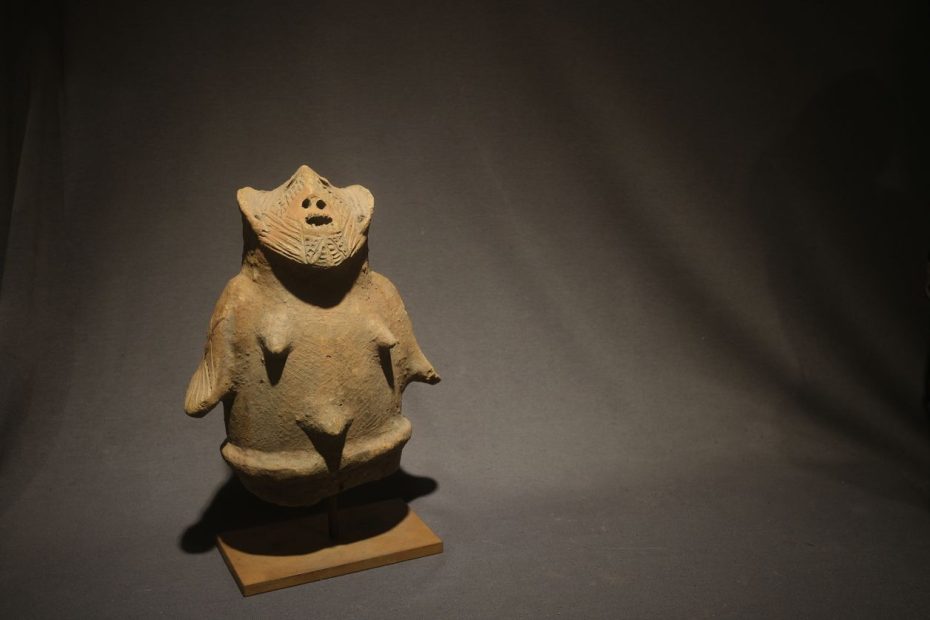
    Among the many sculptural traditions of Nigeria, Dakakari (Dakarkari) terracotta funerary sculpture remains one of the least known and least documented. Yet precisely this marginal position — geographically, culturally, and historically — explains both its rarity and its importance.

    A Small People, a Specific Tradition

    The Dakakari are a small ethnic group living in the hilly regions of the Zuru Federation in northwest Nigeria. For centuries, their society was based primarily on agriculture and military service, with only two crafts holding particular cultural importance: ironworking and pottery.

    Pottery was — and still is — practiced exclusively by women. While all women could produce utilitarian vessels, the creation of religious and funerary ceramics was restricted to certain families. This specialized knowledge was transmitted from mother to daughter, preserving both technical skill and ritual meaning over generations.

    Sculpture Made for the Grave, Not the Market

    In the history of African art, the Dakakari became known almost exclusively through their terracotta grave sculptures. These figures were never intended as decorative objects, nor were they produced for exchange or sale. Their sole function was funerary.

    As described by Karl-Ferdinand Schaedler in Earth and Ore:

    “The Dakarkari burial statues are placed on the graves of important personalities. Ordinary citizens receive only household pottery on their burial mounds as a sign of remembrance.”
    (Schaedler, Earth and Ore, p. 258)

    Only individuals of high status — such as village heads, war heroes, renowned hunters, leading blacksmiths, prominent farmers, and senior members of the secret men’s society Oknu — were commemorated with figurative sculpture. These individuals were often buried together with their wives and unmarried daughters.

    The human figures themselves, both male and female, are known as “sons of the grave”, and in some regions are understood as servants of the deceased, accompanying them into the afterlife.

    Technique and Style

    Dakakari funerary figures are made using the ring-building (coil) technique, allowing the sculptor to conceal joints beneath decoratively shaped coils of clay. Arms, legs, and other anatomical features are typically implied rather than fully modeled, resulting in a schematic and highly expressive sculptural language.

    Schaedler notes:

    “Arms as well as characteristics of animals and humans are only suggested. The mouths, almost always open, are regarded in some villages as a sign of mourning.”
    (Schaedler, Earth and Ore, p. 258)

    These figures were traditionally placed outdoors on burial mounds, exposed to weather and time. As a result, many surviving examples are fragmentary, and fully preserved pieces are particularly rare.

    An Unexpected Stylistic Connection

    One of the most intriguing aspects of Dakakari sculpture is its stylistic relationship to the art of the Igala, a people whose territory lies several hundred kilometers away. According to Schaedler, some Dakakari burial figures — especially the small androgynous examples — show striking formal similarities to Igala masks and sculptures.

    Through stylistic comparison and what Schaedler describes as trans-reminiscence, some of these androgynous figures have been tentatively dated to as early as the 17th century. Later examples sometimes include fetal forms reminiscent of Igala star figures, though these affinities gradually weaken as Dakakari sculpture develops a more abstract idiom.

    Why Dakakari Terracottas Remain Rare Today

    Several factors explain why Dakakari terracottas are seldom encountered on the market:

    • They were never made for trade, only for funerary use
    • Production was limited to a small population and restricted families
    • Many figures were lost or damaged due to outdoor placement on graves
    • The tradition remained largely undocumented until the late 20th century
    • Their specificity has meant little incentive for forgery or reproduction

    As a result, authentic Dakakari terracotta figures usually surface only through older European collections or long-established field acquisitions.

    FXE48626African Art

    A Quietly Important Sculptural Tradition

    Dakakari funerary terracottas do not seek visual dominance. Their power lies in restraint, abstraction, and cultural specificity. They are sculptures of memory rather than display — objects created to serve the dead, not the living.

    For collectors and scholars alike, they represent one of the last truly under-recognized funerary sculptural traditions of Nigeria, where rarity is not the result of fashion, but of belief.


    Reference:
    Karl-Ferdinand Schaedler, Earth and Ore, p. 258

    In the webshop:

    Dakakari (Dakarkari) Funerary Terracotta Figure

    Share and Enjoy !

    Shares