Tag: African masks for sale

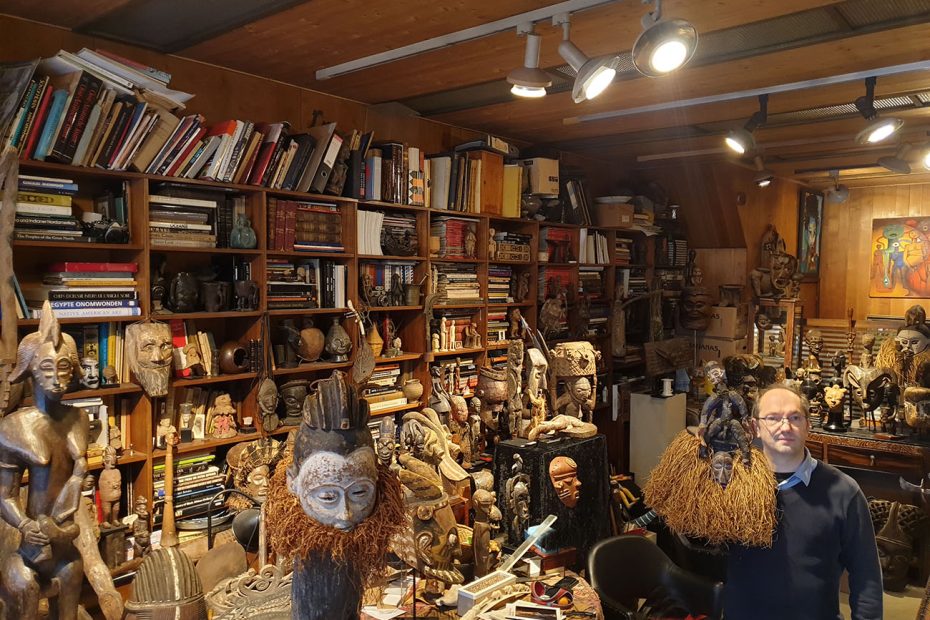
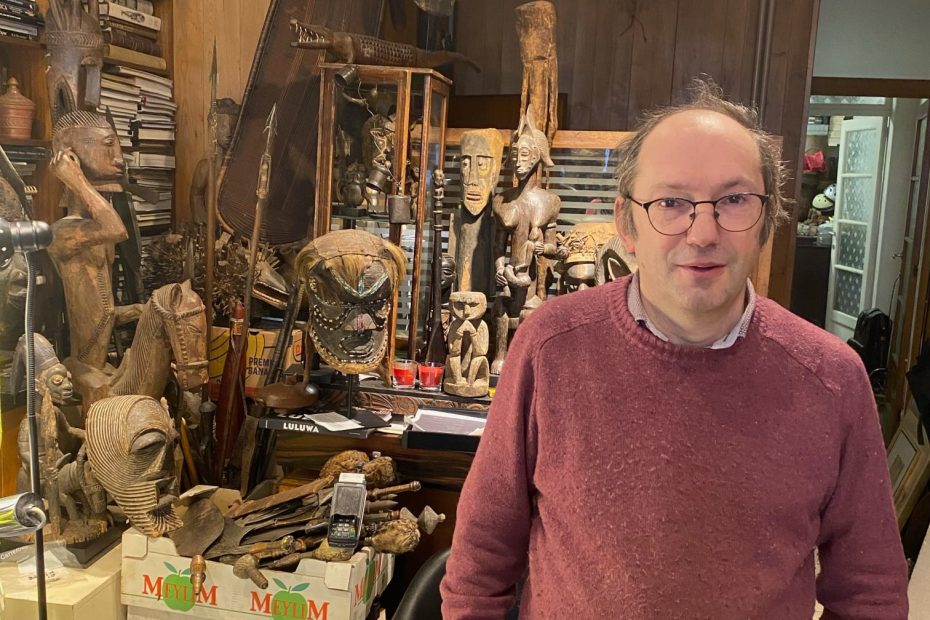
  • African Art Gallery — Step Inside the David Norden Cavern
    African Art Gallery — Step Inside the David Norden Cavern
    African Art Gallery — Step Inside the David Norden Cavern

    When people search for an African art gallery, they are often looking for beauty.
    But seasoned collectors are looking for something else entirely: truth, age, rarity, and presence.

    The other day, something happened in my Antwerp gallery that made me smile.

    The director of the African Art department at the Musée du quai Branly in Paris walked in.
    He looked around, paused, and said:

    “This is amazing, it looks like the Alibaba cavern.”

    I told him:
    “No, this is the David Norden cavern.”

    And in a way, that says everything.

    The Difference Between Display and Selection

    Many galleries present African art.
    Few truly select it.

    An experienced eye does not start with aesthetics.
    It starts with questions:

    • Has this object lived a life before arriving here?
    • Does the surface show real use, or artificial aging?
    • Is the form consistent with known hands and traditions?
    • Does it hold presence when you stand in front of it?

    These are not things you can fake convincingly.
    And they are not things you can always explain quickly either.

    A Cavern, Not a Showroom

    A true African art gallery is not always minimal, white, and silent.

    Sometimes, it is layered.
    Dense.
    Full of discoveries.

    You don’t take it in at once—you enter it.
    It took me 33 years to build it.

    That is how I have always built my space:
    not as a showroom, but as a place where objects live together until the right collector finds them.

    Yes, it may feel like a cavern.
    But every piece in it has been chosen, one by one, over 33 years.

    Not only private collectors buy from me—museums do as well.

    For example, I sold a fine Mende statue, together with a related textile and a painting representing one of the first American female anthropologists working in the region in the 1950s, to the African Art gallery’s from Yale   https://artgallery.yale.edu/research-and-learning/curatorial-areas/african-art

    Discover David Norden’s African Art Gallery Collection

    If you want to explore a small selection, you can start here:
    👉 https://www.buyAfricanAntiques.com/shop

    What you see there is a carefully selected group of pieces.

    But the full collection is something else entirely.

    Many objects never make it online.
    They are part of a deeper selection—available to those who take the time to ask, to look, and to engage.

    If something speaks to you, the best way is simple:

    • Send me a message to ask for more information or arrange a wire transfer
    • Use the online shop to purchase directly
    • Or arrange an appointment to see it in Antwerp

    The gallery is often open without one—
    but the real experience is always better when there is time and attention.

    Buying African Art Is Buying an Eye

    Collectors sometimes think they are buying an object.
    But over time, they realize they are buying something else:

    They are buying someone else’s judgment, refined over decades.

    That is what turns an African art gallery into something worth returning to.

    Not just what is there—
    but how it got there.

    A Quiet Suggestion for Collectors

    If you are building a collection, don’t rush.

    Visit African art galleries.
    Visit museums.
    Buy books.

    Look, compare, and then return again.

    Over time, try to understand what you are really seeing:
    Is the object alive, or does it feel empty?
    Does it create a strong emotional response, or is it just a pale copy—made quickly, without depth?

    Ask yourself:
    Did the artist take the time to bring this piece to life?
    Or was it simply produced?

    Because in African art, the difference is not subtle.
    A true piece carries presence.
    A lesser one only imitates it.


    African Antiques From Antwerp — One Eye, 30 Years of Selection
    Not an inventory. A perspective. Collected slowly, chosen carefully, offered with certainty.

    Happy and curious,
    David Norden

    Share and Enjoy !

    Shares
  • Authentic African Art: Masks, Figures and Ritual Objects for Collectors

    Authentic African Art: Masks, Figures and Ritual Objects for Collectors

    Traditional African art is one of the most powerful artistic traditions in the world. Across hundreds of cultures and thousands of communities, artists created masks, sculptures, and ritual objects that served social, spiritual, and political purposes.

    Unlike modern decorative art, authentic African art was created to function inside living traditions. Masks danced in ceremonies, figures protected villages, and ritual objects mediated between the living and the ancestors.

    For collectors today, these objects offer something rare:
    a chance to hold a piece of cultural history shaped by belief, ritual, and time.

    For more than 30 years, I have helped collectors discover authentic traditional African art through my gallery in Antwerp and through my website:

    Browse the collection →
    https://buyafricanantiques.com/shop/


    African Masks: The Living Faces of Ritual

    Among the most recognizable forms of African tribal art are masks.

    But masks were never simply sculptures.
    They were part of performances involving costume, dance, music, and community participation.

    When worn during ceremonies, a mask allowed the dancer to embody:

    • ancestral spirits

    • mythological beings

    • protective forces

    • social characters within the community

    Many of the most striking African masks combine stylized abstraction with deep symbolic meaning.

    Example from the collection

    Bena Biombo Chameleon Helmet Mask

    https://buyafricanantiques.com/product/bena-biombo-mask/

    This rare helmet mask from the Bena Biombo people of the Congo features distinctive chameleon-like eyes symbolizing transformation and adaptability. Masks like this were used during royal funerary ceremonies and masquerades that connected the living community with ancestral spirits. ‘read also the article about the Kuba tribe since they are not what you think. 

    Other masks currently available include:

    Each mask reflects the unique artistic language of its culture.


    African Sculptures and Figures

    Across many African traditions, carved figures were used as spiritual intermediaries.

    These sculptures could represent:

    • ancestors

    • protective spirits

    • fertility forces

    • ritual guardians

    Rather than decorative statues, these figures were often kept in shrines, consulted by diviners, or used to protect families and villages.

    Example: Lobi Ritual Sculpture

    Double Head Dayir Lobi Figure – Burkina Faso

    https://buyafricanantiques.com/product/double-head-dayir-lobi-figure-burkina-faso/

    This impressive sculpture represents the ancestral couple of the Lobi clan and was traditionally placed in shrine spaces where it protected the community and embodied ancestral authority.

    Another fascinating example of Lobi artistic tradition is this iron sculpture:

    Lobi Iron Bird

    https://buyafricanantiques.com/product/a-lobi-iron-bird/

    Hand-hammered by a Lobi blacksmith, the bird represents the remarkable metalworking skills of West African artisans and reflects the symbolic role animals play in African cosmology.

    Other sculptural objects currently available include:

    Each object carries its own cultural narrative and history of use.


    The Materials of African Tribal Art

    African artists worked with a wide range of materials depending on regional traditions and available resources.

    Art form Typical materials Cultural role
    Masks Wood, pigments, raffia Ritual dances and masquerades
    Figures Wood, iron, terracotta Ancestors, protective spirits
    Metal objects Iron, bronze, brass Prestige objects and ritual implements
    Dolls and figures Wood and beads Fertility and spiritual symbolism

    These materials were rarely chosen for decoration alone.
    They were selected for their symbolic meaning and ritual function.


    How African Art Influenced Modern Art

    When European artists encountered African masks and sculptures in the early twentieth century, the impact was profound.

    Artists such as Picasso and Modigliani were inspired by the bold geometry, stylized faces, and expressive power of African sculpture. These encounters helped shape movements such as Cubism and modernism.

    But what fascinated these artists was not merely style.

    It was the realization that in African cultures art was inseparable from life, ritual, and belief.


    Collecting Authentic African Art Today

    Today, the biggest challenge for collectors is distinguishing authentic traditional objects from decorative reproductions.

    Many pieces offered online were made for the tourist market and were never used in African communities.

    Recognizing genuine objects requires experience:

    • knowledge of carving traditions

    • understanding of surface and patina

    • familiarity with ritual use and cultural context

    After more than three decades working with African art, I still find that the most reliable guide is simply this:

    having seen thousands of objects over many years.

    That experience shapes the selection you see on my website.


    Explore Authentic African Masks and Sculptures

    If you would like to explore authentic African art currently available, you can browse the collection here:

    View the shop →
    https://buyafricanantiques.com/shop/

    You will find:

    • traditional African masks

    • ancestral figures

    • ritual sculptures

    • rare tribal objects from across the continent

    Each piece is carefully selected and described with its cultural context.


    A Personal Invitation to Collectors

    If you are looking for a particular type of African mask or figure, feel free to contact me.

    After more than 30 years in this field, I may know where it is hiding.

    Many collectors who visit the site are not simply buying an object —
    they are building a relationship with a tradition.

    And sometimes the right piece appears only when someone is looking with the right eye.

    Happy collecting,

    David Norden
    BuyAfricanAntiques.com
    Antwerp

    Share and Enjoy !

    Shares
  • African Masks for Sale

    African Masks for Sale

    African Masks for Sale: How to Choose Authentic Masks and Avoid Counterfeits

    When you search for African masks for sale, you’ll find an overwhelming amount of options online. But distinguishing between decorative masks, tourist pieces, and authentic ritual objects from traditional African communities is often challenging.

    With over 30 years of experience in tribal art, I explain how to make an informed choice—and which traps to avoid.


    Why African Masks Are So Highly Valued

    Traditional masks are used during rituals, initiations, funerals, ancestor veneration, and secret society ceremonies. They are not just art objects; they are cultural vehicles carrying:

    • symbolism

    • social structure

    • spiritual protection

    • historical traditions

    Anyone who collects an authentic African mask is building a collection with real ethnographic value.


    Popular African Masks: Beautiful but Often Counterfeited

    Certain masks from Gabon and Congo are highly sought after worldwide—and therefore the most frequently faked. Especially:

    • Fang masks (Gabon)

    • Punu masks (Gabon)

    • Kota and Fang reliquary figures

    • Songye and Luba masks (Congo)

    These masks are aesthetically powerful, widely published in museums, and iconic in the Western imagination.
    As a result, authentic examples are very expensive and come with the highest risk of forgery.

    For buyers seeking decorative masks, this is not necessarily a problem.
    But anyone wishing to build an authentic collection must proceed with caution.


    Better Options for Beginning Collectors: Tribes with Fewer Forgeries

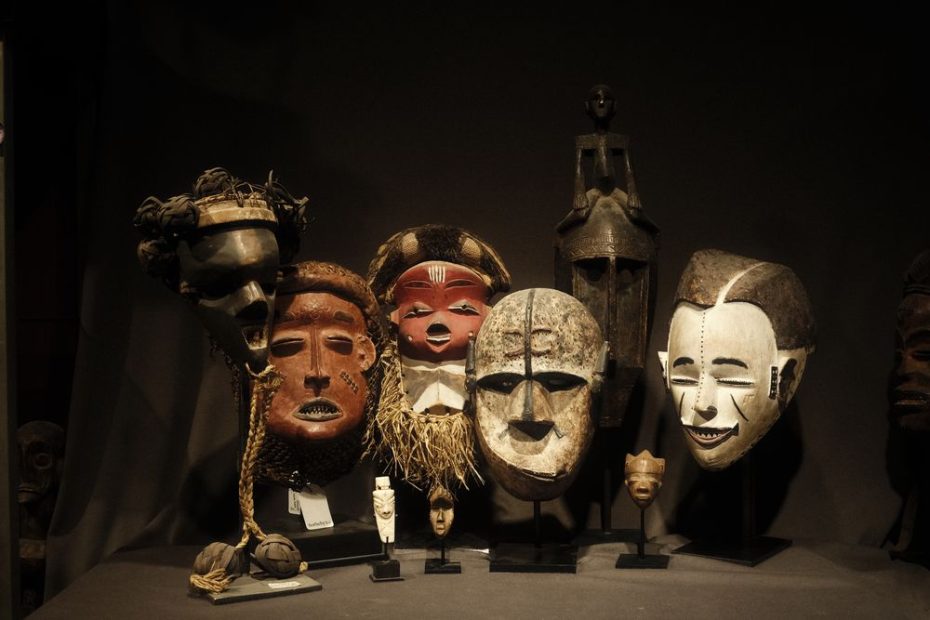
     african art igbo mask

    Example: An Igbo girl’s spirit mask from a David Norden collection.

    Collectors who want to start their collection without falling into the trap of costly counterfeits are often better off choosing masks from ethnic groups where:

    • more traditional material is still available

    • styles are less commercially targeted

    • fewer forgeries circulate

    Recommended tribes for high-quality and reliable masks:

    • Dan masks (Ivory Coast)

    • Bassa masks (Liberia/Ivory Coast)

    • Mossi masks (Burkina Faso)

    • Nigerian masks (Igbo, Yoruba, Ibibio, etc.)

    • Masks from Ivory Coast in general (Senufo, Baoulé, Guro)

    These are excellent entry points for building an authentic African mask collection without the extreme prices and risks associated with Gabonese or Congolese works.


    What to Look for When Buying African Masks

    1. Origin and Ethnic Attribution

    A trustworthy dealer will always specify:

    • the ethnic group

    • the region

    • the traditional function

    2. Patina and Wear

    Key indicators include:

    • smoke marks (older pieces often no longer smell of smoke)

    • layered pigments consistent with age

    • raffia showing natural aging (older raffia is often finer and more fragile)

    • wear from handling and dance use (but beware of artificially created “wear”)

    3. Materials and Techniques

    Authentic masks are typically:

    • hand-carved from durable woods

    • colored with natural pigments

    • decorated with beads, shells, or traditional materials

    • not coated with modern varnishes, paint, or synthetic patinas

    4. Written Description (Essential!)

    Always ask for:

    • a written description

    • an estimated age

    • provenance or collecting history

    This is especially important for expensive masks from Gabon and Congo.

    5. Consult a Specialist for High-End Pieces

    When purchasing Fang, Punu, Songye, Luba, or other major works:

    • always ask for a second opinion

    • buy only from reputable dealers

    • avoid impulsive online purchases

    It is better to pay more once for a reliable piece than to be deceived twice.


    African Masks for Sale? Buy with Knowledge and Confidence

    Whether you’re looking for decorative African masks or want to build a high-quality collection, a solid understanding of provenance, age, and the market will help you avoid disappointment.

    On my webshop BuyAfricanAntiques.com/shop, you’ll find a carefully curated selection of authentic African masks—always with clear descriptions, provenance, and expertise.

    Share and Enjoy !

    Shares