He Collected African Art for Years — Until One Comment Changed Everything
A few years ago, a long‑time client sat across from me in my Antwerp gallery, visibly uneasy.
He had been collecting African art for decades. Good eyes, serious commitment, many fine pieces. But that afternoon he wasn’t talking about masks or figures. He was talking about prices.
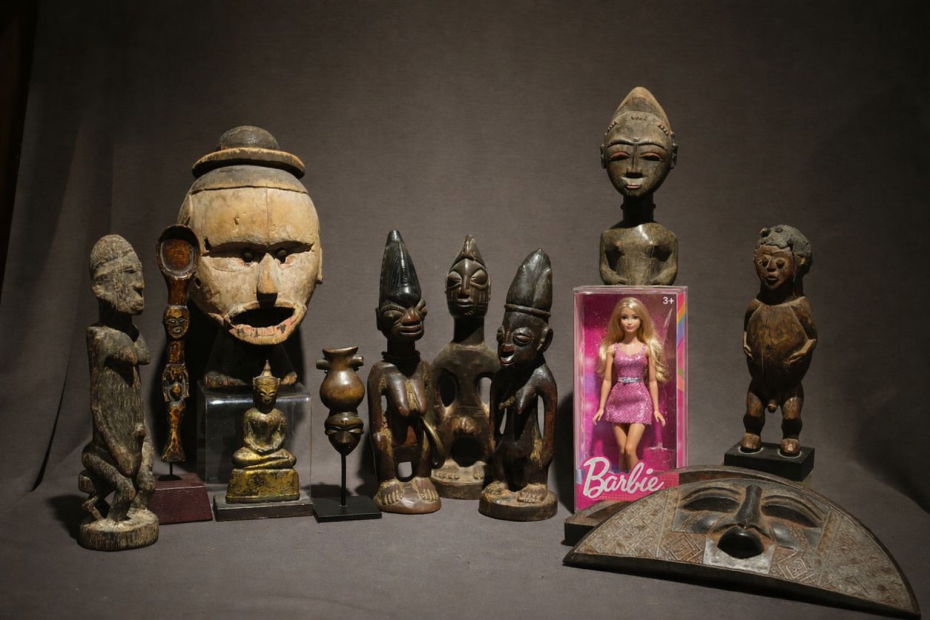
“It’s getting crazy,” he said. “Everything is expensive now. I think I’ll stop collecting African art… maybe I’ll collect Barbie dolls instead.”
He laughed — but not entirely.
At the time, the market was running hot. Prices were rising fast, fairs were buzzing, and suddenly everyone seemed to be an expert. For seasoned collectors, that moment created a very specific fear:
What if I buy now — and later it turns out I bought the wrong things?
That fear is more powerful than price itself.
The Comment That Changes Everything
Every serious collector knows this moment.
You’re standing in your own home. A guest — maybe another collector, maybe a curator — pauses in front of a piece you once felt proud of.
They tilt their head and say something harmless on the surface:
“Interesting… I’ve mostly seen these made later.”
Nothing dramatic. No accusation.
But something shifts.
Suddenly the object feels different. The confidence you had when you bought it quietly drains away. You start replaying the purchase in your head.
That single comment can undo years of collecting pleasure.
This isn’t about money. It’s about credibility.
Fast Forward: What the Market Actually Did
Today, with the benefit of hindsight, that client’s anxiety tells us something important.
Yes — prices have come down on many African artworks.
Yes — the market corrected itself.
But not evenly.
What we’re seeing now is very clear:
- Average pieces suffered
- Decorative objects struggled
- Works made for later demand lost momentum
And at the same time:
- Exceptional pieces held their ground
- Objects with strong ethnic attribution remained desirable
- Works with real age, use, and cultural context continued to sell well
The market didn’t reject African art.
It rejected uncertainty.
What Survives When the Noise Fades
When prices rise quickly, almost everything looks convincing.
When the market cools, only a few things still speak clearly:
- Quality of carving
- Depth of patina
- Cultural coherence
- Internal consistency
- Honest wear from ritual use
These qualities have always mattered.
They don’t call attention to themselves. They simply remain convincing over time.
Why Experience Matters More Than Ever
In a rising market, enthusiasm can carry you far.
In a correcting market, experience becomes decisive.
The collectors who are still confident today are not the ones who bought the most.
They are the ones who bought selectively.
They chose fewer pieces.
Better pieces.
Pieces that do not need excuses.
Back to the Barbie Dolls
I sometimes think back to that client and his half‑joking remark.
Barbie dolls, by the way, have their own serious collectors.
But African art was never the problem.
The problem was buying without enough certainty in a moment when everything looked expensive and everyone looked confident.
Today, the lesson is simpler:
Not all African art rises.
Not all African art falls.
Only the best African art remains convincing — in any market.
Collecting Without Regret
The real goal of collecting is not to beat the market.
It’s to live with objects you never feel the need to defend.
Objects that, when someone pauses in front of them and asks a question, allow you to answer calmly — or say nothing at all.
Because the piece already speaks for itself.
That is what endures.
And that is what I continue to look for.